01 / 04
Conditioning & Gait
Strength, proprioception, and movement quality. How to read a trot, build a balanced topline, and condition joints for the direction changes that real play demands.
Conditioning, gait, fuel, recovery, and drive — the veterinary sports-medicine playbook, translated for the dog at the end of your leash.
Welcome to the pack.
Your spot in the pack is confirmed.
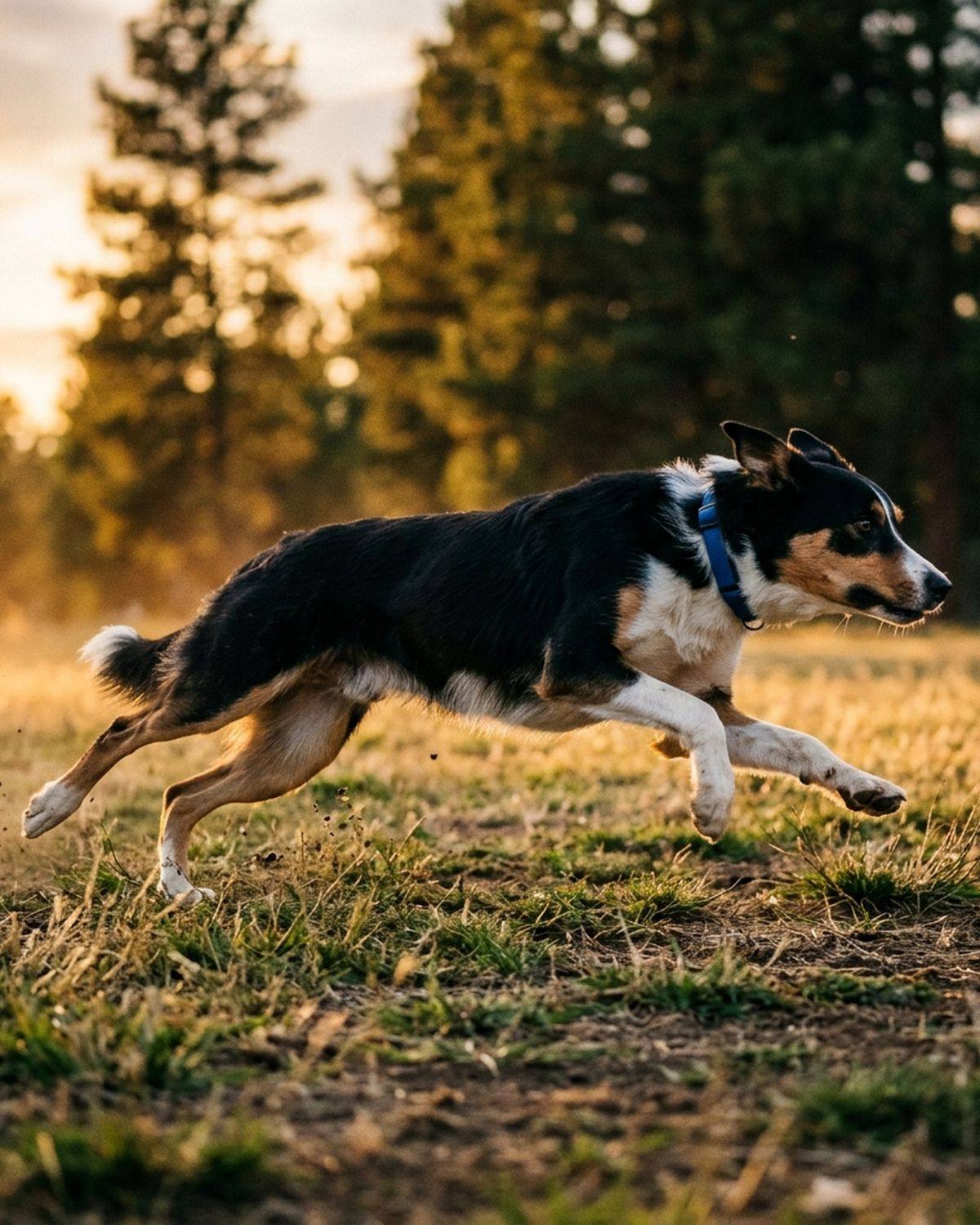
Sporting and working dogs get structured conditioning programs. The family dog gets a ball thrown forty times on a Saturday, on cold muscles, over slick grass. Then we call the cruciate tear bad luck. Canine sports medicine has spent two decades learning what keeps athletic dogs sound, fast, and confident — and almost none of it reaches the people who share a couch with their athlete.
The Stride Report closes that gap. Each issue takes one topic from the veterinary performance literature — warm-up protocols, gait asymmetry, protein timing, arousal regulation — and turns it into something you can apply on your next walk. Written with clinical rigor, read in five minutes, no gadgets required.
An injury prevented is two seasons earned.
Most canine injuries announce themselves weeks early — in the stride.
Strength, proprioception, and movement quality. How to read a trot, build a balanced topline, and condition joints for the direction changes that real play demands.
Nutrition timing, hydration strategy, and the sleep architecture of a recovering athlete. What to feed before work, after work, and why rest days are training days.
Arousal regulation, impulse control, and engagement built on the dog's own motivation. The mental game — because the fastest dog on the field is rarely the calmest.
Warm-up protocols, load management, and the early asymmetry signals that show up weeks before a limp. The quiet work that buys years of healthy seasons.
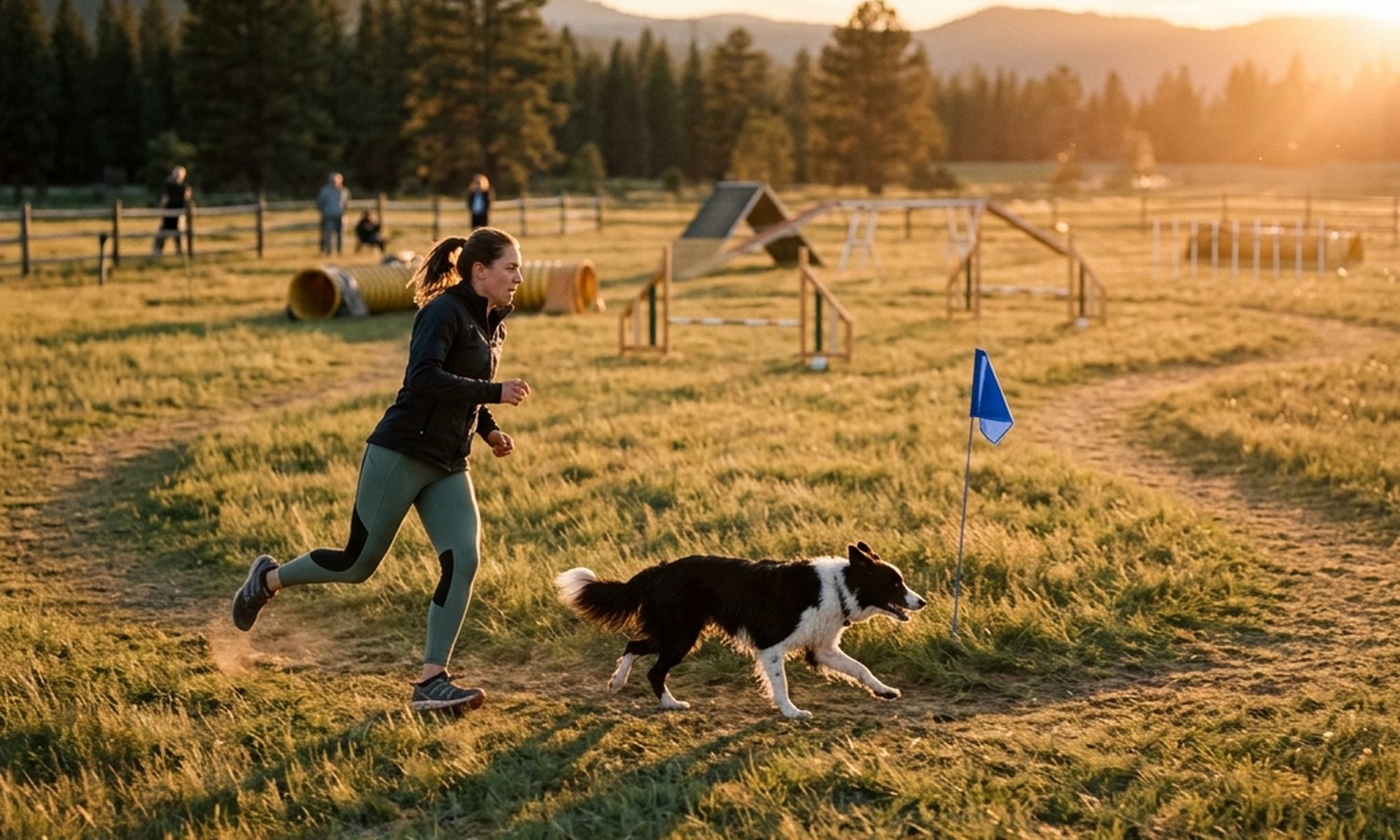
A five-minute dynamic warm-up sequence adapted from agility teams — and the soft-tissue injury data that makes it non-negotiable before fetch, flyball, or trail runs.
The early asymmetry signals that precede a visible limp by weeks — head bob, stride shortening, sit posture — and a simple phone-video protocol to catch them at home.
What the sled-dog and field-trial literature says about feeding windows, muscle repair, and why the post-exercise hour matters more than the brand on the bag.

Samantha Liu writes about pet care, animal wellness and everyday health for responsible dog owners. She spends her research hours inside the veterinary sports-medicine literature — and her weekends at agility fields, watching how it holds up in the mud.
The Stride Report is her field manual: the conditioning science of sport teams, rewritten for every owner who wants more healthy seasons with their athlete.
One field report. Veterinary sports science, five-minute read, zero gadget hype.