
Avoid These Wool Rug Cleaning Errors with Pet Messes
When a spill or mess suddenly appears on your wool rug, the immediate reaction is typically to grab a cloth and vigorously scrub it away as quickly as possible. However, with wool materials, this knee-jerk response can actually exacerbate the problem significantly. The delicate structure of wool fib
When a spill or mess suddenly appears on your wool rug, the immediate reaction is typically to grab a cloth and vigorously scrub it away as quickly as possible. However, with wool materials, this knee-jerk response can actually exacerbate the problem significantly. The delicate structure of wool fibers means that aggressive scrubbing not only drives the stain deeper into the pile but can also cause irreversible harm to the rug's integrity. Especially if you own a high-value wool rug and share your home with a canine companion prone to occasional tummy troubles, choosing the correct cleaning technique is just as crucial as acting promptly.
Fortunately, you don't have to invest in expensive specialty cleaners or hire professional-grade machinery to handle the situation effectively. The key lies in adopting the appropriate methodology and exercising a bit of patience throughout the process. By following a structured, gentle approach, you can restore your wool rug to its former glory without causing additional damage.
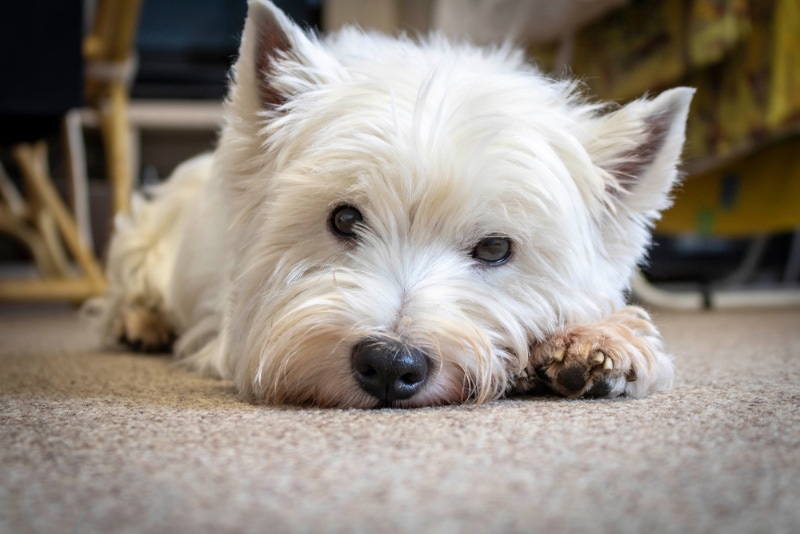
Gather Your Supplies First
Prior to diving into the cleaning process, it's essential to assemble all necessary items in one place to avoid any interruptions or delays that could allow the stain to set more firmly. Prepare a pair of protective gloves, several sheets of absorbent paper towels, a fresh clean towel, some warm water, a box of baking soda, a soft microfiber cloth, an enzymatic cleaner specifically designed for pet messes, and one additional option from this list: white vinegar, hydrogen peroxide, or club soda. Organizing everything beforehand ensures that the stain has minimal time to bond with the fibers, increasing your chances of complete removal.
Regarding the gloves, while they aren't absolutely mandatory, they are highly recommended for health and safety reasons. Pet vomit, particularly if your dog is experiencing health issues, might contain harmful bacteria or even parasites. Should you choose not to wear gloves, take extra care not to touch your face or eyes during cleanup, and thoroughly wash your hands with soap and hot water immediately upon completion to prevent any potential contamination.
It's also important to note right from the beginning that certain aggressive substances like bleach or other harsh chemical cleaners are strictly prohibited. These products can strip the natural oils from wool fibers, leading to discoloration, weakening, and permanent structural damage that no amount of care can reverse.
Cleaning Dog Vomit From Your Wool Carpet
Step One: Remove the Excess
Begin the cleaning by carefully scooping or lifting away as much of the solid vomit material as you can using the edge of a spoon, a plastic scraper, or a wad of paper towels. This initial step might not be the most appealing part of the process, but it's critically important because removing the bulk from the surface right away stops it from being ground deeper into the rug's fibers during subsequent steps, making the leftover residue much simpler to eliminate completely.
Step Two: Absorb What’s Left
Next, position a clean, dry towel or stack of paper towels directly over the affected area and press down firmly but gently with your hand or foot. The primary objective here is to draw out and absorb the remaining moisture and particles through capillary action, without any lateral movement. If the towel becomes saturated, replace it with a fresh one and continue. Always remember to blot—pressing straight down and lifting—rather than rubbing or scrubbing in circles, as this gentle technique is what safeguards the wool's fragile fibers from fraying or felting throughout every phase of the cleanup.
Step Three: Apply Warm Water
Once the excess has been absorbed, lightly dampen the stained spot with lukewarm water using a spray bottle or by dipping a cloth in water and squeezing out the excess. The warmth helps to loosen and dilute the remaining proteins and organic matter without shocking the fibers. Importantly, stick to warm water only—never hot—since higher temperatures can cause wool to shrink, felt, or lose its natural resilience. After applying the water, blot again with a dry section of your clean towel, starting from the outer edges of the stain and moving gradually toward the center. This inward motion prevents the stain from spreading outward and affecting a larger portion of the rug.
Step Four: Baking Soda
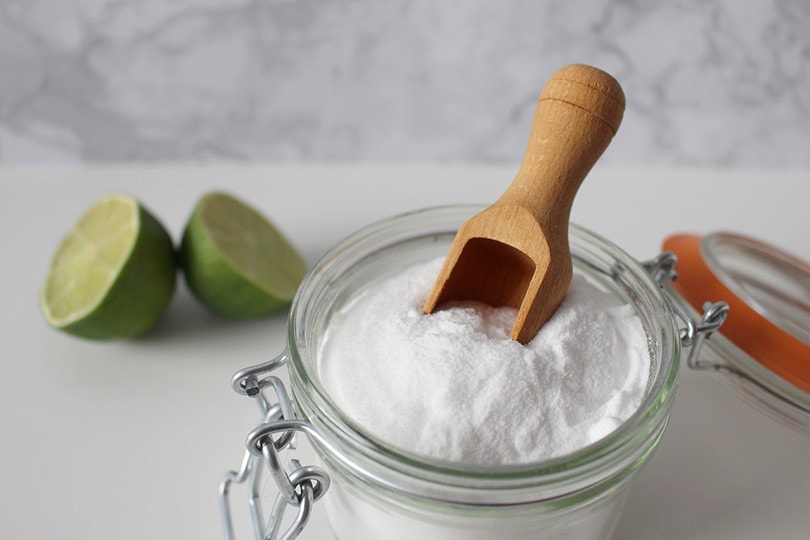
Sprinkle a generous layer of baking soda over the entire stained area, ensuring full coverage. Allow it to sit undisturbed for a period of five to ten minutes. During this time, the baking soda's absorbent properties will draw out lingering moisture, neutralize odors, and cause any remaining particles to clump together for easier removal. After the waiting period, use a vacuum cleaner with an upholstery attachment to gently suck up the baking soda. Inspect the area closely—you should observe a substantial reduction in both the visible stain and any associated wetness at this point, setting the stage for more intensive treatments if necessary.
Step Five: Choose Your Cleaning Agent
With the preliminary steps complete, proceed to a more specialized treatment using one of several safe options: club soda for its carbonation that lifts stains without chemicals, white vinegar for its acidic breakdown of organic residues, or hydrogen peroxide for its bleaching action on proteins. Among these, club soda is often the gentlest choice initially, as it's least likely to alter the rug's color. For vinegar or peroxide, always perform a preliminary spot test: apply a small dab to an inconspicuous area, such as along the edge or beneath furniture legs, and monitor for five minutes. If there's no change in color or texture, it's safe to continue.
Pour or spray your selected agent onto a fresh microfiber cloth—never directly onto the rug to avoid oversaturation—and gently blot the stain repeatedly. Reapply the solution to the cloth as it absorbs the mess, maintaining steady pressure without ever switching to rubbing motions. Persistence at this stage is key; continue blotting until the cloth comes away clean, indicating the stain has been fully lifted from the fibers.
Step Six: Deal With Any Odor
Wool inherently possesses excellent odor-resistant qualities due to its natural lanolin content and breathable structure, so in many cases, especially with pure wool rugs, the smell may dissipate naturally once the visible stain is gone. However, if any lingering pet odors persist, reapply a light dusting of baking soda or a diluted vinegar solution directly to the spot. Let it dwell for approximately ten minutes to neutralize the volatile compounds causing the scent, then vacuum it thoroughly or blot with a damp cloth followed by a dry one. You can repeat this odor-elimination step as many times as required until the air around the rug smells fresh and neutral.
Step Seven: Rinse and Dry
After successfully removing both the stain and any odors, give the area a final rinse by wiping it with a microfiber cloth dampened in plain warm water. This step eliminates any traces of cleaning agents that could otherwise attract dirt or leave a residue over time. Squeeze out excess water from the cloth to avoid re-wetting the rug unnecessarily. Then, allow the wool rug to air dry fully in a well-ventilated space. If feasible, relocate the rug outdoors into indirect sunlight, where UV rays can further sanitize and deodorize naturally while accelerating evaporation. For indoor drying, position a box fan or oscillating fan to direct airflow across the damp spot continuously. Wool's quick-drying nature compared to synthetic or cotton rugs means you won't have to wait excessively long before the area is back in service.

The One Rule That Runs Through All of This
At the core of every single step outlined above is a singular, unwavering principle: gentleness is paramount. While wool rugs are renowned for their durability in everyday wear, they are exceptionally sensitive to forceful cleaning methods that can compromise their beauty and longevity. Steer clear of scrubbing actions that mat the fibers, hot water that causes contraction, and bleach that dissolves the dye and structure. Instead, embrace a methodical pace, consistent blotting techniques, and patience—your wool rug will emerge from the process unscathed and pristine.
It's an unfortunate reality that dogs occasionally become ill and leave messes on floors and furnishings. But discovering vomit or other pet accidents on a cherished wool rug doesn't spell disaster. With these careful, proven strategies, you can manage the cleanup effectively, preserving both your rug's condition and your peace of mind for future incidents.
To expand on the importance of preparation, consider how having supplies at hand not only saves time but also reduces stress during what can be a messy and unpleasant task. For instance, enzymatic cleaners are particularly valuable because they contain bio-engineered enzymes that specifically target and break down pet proteins, fats, and carbohydrates found in vomit—substances that ordinary soaps often miss, leading to ghost stains or returning odors later on.
When selecting your cleaning agent in Step Five, understanding each option's strengths can optimize results. Club soda's fizzing action mechanically dislodges particles while being color-safe across most wool dyes. White vinegar, with its pH around 2.5, excels at dissolving mineral deposits and cutting through acidic pet messes without harming wool's keratin structure. Hydrogen peroxide, at a 3% household concentration, provides mild oxidation to brighten organic stains but requires that spot test to ensure compatibility with your rug's specific dyes or blends.
Drying merits extra attention because improper airflow can lead to mildew in wool's dense pile. Elevate the rug slightly if possible, using blocks under the corners, to promote circulation underneath. Monitor humidity levels; in damp climates, a dehumidifier nearby prevents moisture buildup. Once dry, a light vacuuming with a soft brush attachment fluffs the fibers back to their original loft, restoring the rug's luxurious texture.
For ongoing maintenance to prevent future deep-set stains, vacuum wool rugs weekly using low suction and a beater-bar-free setting. Address spots immediately upon discovery, always following this protocol. Professional steam cleaning every 1-2 years by a wool-certified technician keeps the rug in peak condition, but daily care empowers you to handle pet-related mishaps independently.
Weekly Digest
Top articles delivered to your inbox every week.