
Basset Hound Feeding Guide: Daily Amounts Explained
Understanding the Dietary Requirements of Basset HoundsBasset Hounds are cherished for their endearing droopy ears, expressive soulful eyes, and friendly, easygoing personalities, making them favorites as family companions and even in various media portrayals. Beneath their relaxed exterior lies a r
Understanding the Dietary Requirements of Basset Hounds
Basset Hounds are cherished for their endearing droopy ears, expressive soulful eyes, and friendly, easygoing personalities, making them favorites as family companions and even in various media portrayals. Beneath their relaxed exterior lies a robust appetite that demands careful oversight to prevent excessive weight gain. The precise amount and nutritional caliber of their meals, paired with consistent physical activity, play pivotal roles in safeguarding their long-term health and vitality. Determining the ideal feeding quantity is essential for every owner.
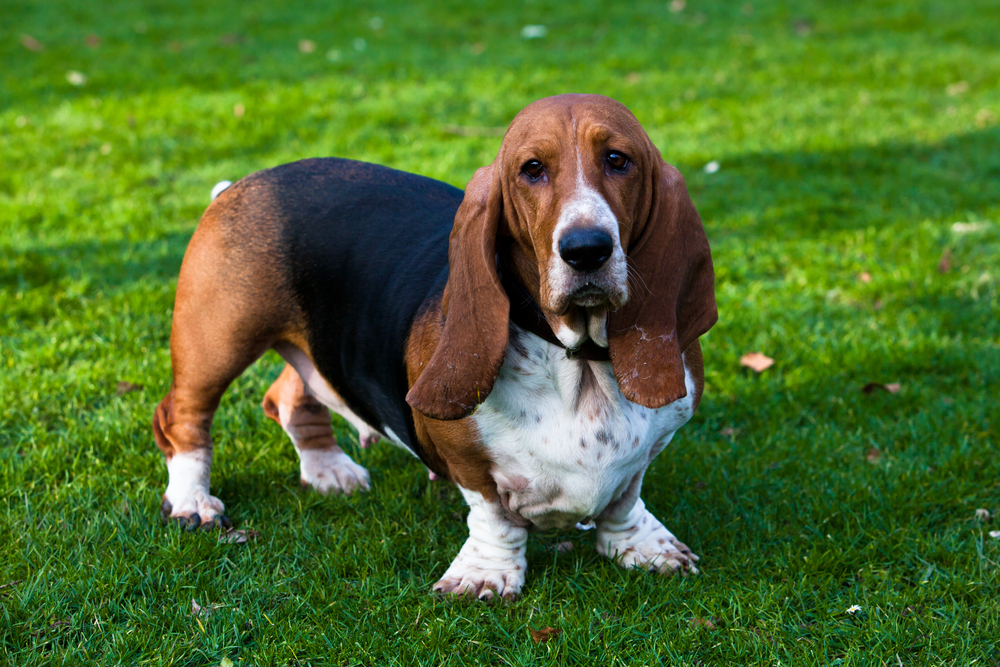
Key Elements Shaping a Basset Hound's Nutrition Plan
Originating from France as hunting dogs, Basset Hounds possess an extraordinary sense of smell, rivaled only by the Bloodhound. Their distinctive physique, characterized by an elongated torso and stubby legs, exerts extra strain on their backbone. Therefore, sustaining an ideal body weight is paramount. Excessive portions or calorie-rich diets without adequate movement can result in obesity, heightening susceptibility to spinal disorders and joint complications.
Variables That Determine Feeding Amounts
Numerous considerations impact the appropriate volume of food for your Basset Hound:
- Age: During the growth stage, puppies necessitate elevated calorie intake and frequent feedings throughout the day. Mature dogs, influenced by their exercise routines, may require reduced calories divided into two servings.
- Activity Level: A Basset Hound with high energy demands more sustenance than one leading a low-movement lifestyle. For those preferring lounging, scale back portions to avert unwanted pounds.
- Health Status: Scenarios such as gestation, medical conditions, or post-operative recovery alter nutritional demands. Seek professional veterinary advice in these situations.
Recommended Daily Feeding Volumes
Dog food packaging typically offers weight-based serving suggestions. For a grown Basset Hound:
- Sedentary or senior dogs: Approximately 1.5 cups of premium dry kibble daily.
- Moderately active dogs: From 1.5 to 2.5 cups of superior dry dog food each day.
- Very active or working dogs: More than 2.5 cups, potentially exceeding that amount.
Precision is key—employ a standardized measuring cup rather than eyeballing with household items. These figures serve as broad recommendations; individual variances exist, so routine weigh-ins enable fine-tuning the regimen to match your dog's specific profile.
Monthly Feeding Expense Breakdown
The ongoing cost of nourishing a Basset Hound fluctuates with factors like brand prestige, food form (wet versus dry), and regional pricing. Mid-tier dry kibble often costs $1 to $2 per pound. With typical intake at 2 cups daily, and roughly 4 cups equaling one pound:
- A monthly requirement spans about 60 cups, translating to 15 pounds.
- This results in an estimated $15 to $30 expenditure per month.
Prioritizing economy over quality can backfire. Subpar products may skimp on vital nutrients, fostering chronic ailments that inflate future veterinary expenses far beyond initial savings.
Dangerous Foods to Steer Clear Of
Various human consumables pose severe risks to Basset Hounds, such as chocolate, grapes, onions, and items sweetened with xylitol. Vigilantly restrict access to these hazards and contact a veterinarian promptly if ingestion happens inadvertently.
Incorporating Treats Responsibly
Basset Hounds display an insatiable fondness for edibles. Nonetheless, treats ought to comprise no more than 10% of total daily calories. Select nutritious alternatives like carrot sticks or purpose-formulated canine goodies, always dispensing them sparingly to maintain balance.
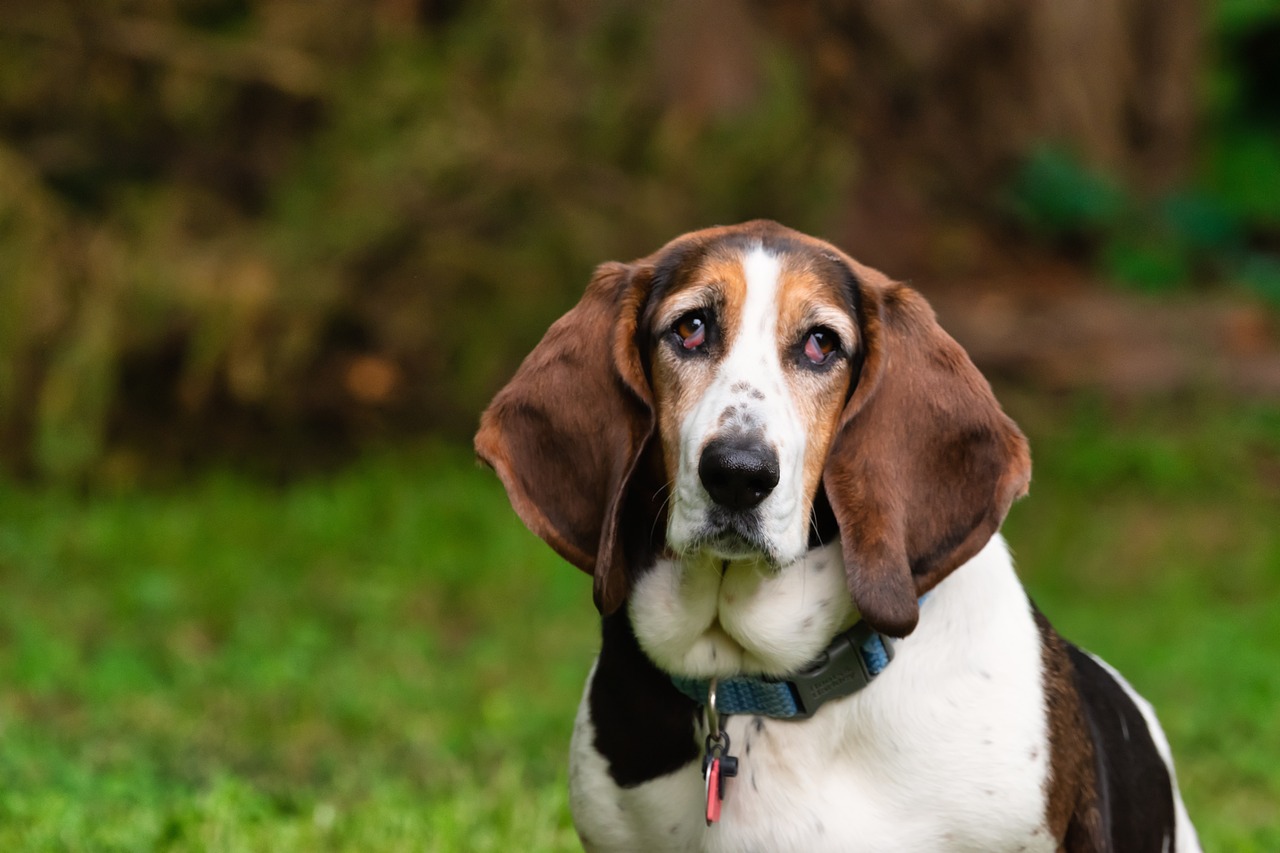
Frequently Asked Questions on Basset Hound Nutrition
How Often Should You Feed a Basset Hound Daily?
Mature Basset Hounds flourish with two meals spaced across the day. Young puppies, fueled by swift development and intense energy needs, benefit from three to four feedings. This approach fulfills nutritional demands while minimizing risks of gastric distress from large single portions.
Do Basset Hounds Easily Become Overweight?
Indeed, their inherent leisurely nature predisposes them to weight accumulation. Coupled with their structural vulnerabilities, this underscores the importance of vigilant weight management to sidestep spinal strain and articular ailments.
Is Human Food Safe for Basset Hounds?
Select human items prove harmless, yet numerous others carry toxicity. Familiarize yourself with safe versus perilous options, steering clear of chocolate, grapes, onions, and xylitol products. Veterinary consultation resolves uncertainties effectively.
Selecting Optimal Dog Food for Basset Hounds
Prioritize formulations featuring a named protein—such as chicken or beef—as the primary component. Shun products laden with fillers, synthetic dyes, or chemical preservatives. Tailored vet suggestions ensure the best match for your pet's circumstances.
Wet Versus Dry Food: Which Suits Basset Hounds Best?
Each type offers distinct advantages. Wet varieties enhance appeal and moisture intake, whereas dry kibble supports oral hygiene and proves more budget-friendly. Many caregivers blend both for diversity and comprehensive benefits.
Ideal Daily Water Consumption for Basset Hounds
Ensure perpetual availability of clean, fresh water. Generally, aim for one ounce per pound of body weight each day. Track consumption patterns; abrupt shifts merit professional evaluation.
What If My Basset Hound Refuses Meals?
Brief appetite dips occur naturally, but persistence beyond 24 hours signals potential concerns, necessitating veterinary attention. Observe accompanying symptoms of malaise or pain.
Are Bones Appropriate for Basset Hounds?
Instinctual chewers though they are, certain bones endanger health. Eschew diminutive or thermally processed ones prone to fragmentation, which risks aspiration or perforation. Favor appropriately sized, secure chew alternatives or rawhide options.
Essential Nutrients for Basset Hound Diets
A harmonious blend of proteins, fats, carbs, vitamins, and minerals forms the foundation for all canines, including Bassets. Given joint predispositions, glucosamine and chondroitin supplements gain favor among owners and professionals. Vet approval precedes any additions.
Switching to New Dog Food Seamlessly
Mitigate gastrointestinal turbulence by phasing in alterations methodically. Commence with minimal new food blended into the familiar mix, incrementally escalating the novel portion across 7 to 10 days until full substitution.

Why Proper Feeding is Crucial for Basset Hounds
Nurturing a vibrant, joyful Basset Hound hinges on equilibrated nutrition, steady exercise, and scheduled veterinary assessments. By attuning to your companion's particular requisites and tracking body mass diligently, you pave the way for enduring companionship marked by enthusiastic tail wags.
Weekly Digest
Top articles delivered to your inbox every week.