
Creating a Safe Environment for Your Dog
A dog that experiences a true sense of security is able to unwind fully, which in turn allows it to engage more freely in playful activities, absorb new learning experiences, and enjoy peaceful rest without interruption. Credit: Anita Kot | Getty ImagesCountless devoted dog owners go to extraordinar
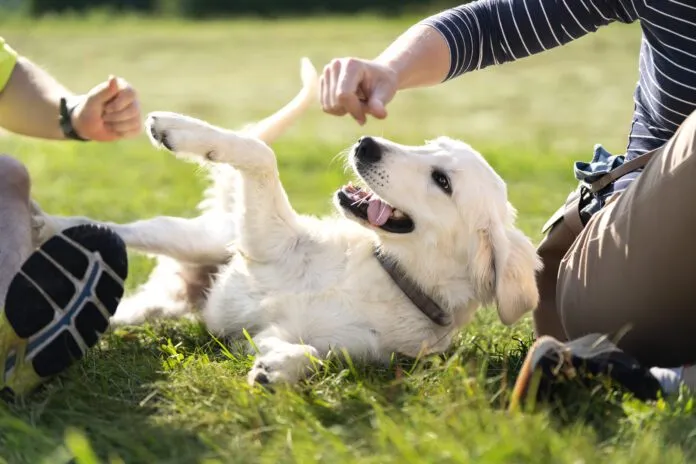 A dog that experiences a true sense of security is able to unwind fully, which in turn allows it to engage more freely in playful activities, absorb new learning experiences, and enjoy peaceful rest without interruption. Credit: Anita Kot | Getty Images
Countless devoted dog owners go to extraordinary lengths to ensure their canine companions thrive. They meticulously select premium-quality nutrition, commit substantial time and resources to professional training sessions, lavish their pets with endless displays of love and attention, and eagerly acquire the newest, most innovative toys designed for mental and physical enrichment. Despite these commendable efforts, it is not uncommon for some dogs to endure periods throughout their day characterized by subtle, persistent levels of anxiety or unease.
This underlying tension can manifest in various subtle ways, preventing the dog from reaching its full potential in terms of relaxation and overall well-being. Understanding the roots of such stress is crucial for any responsible pet parent aiming to foster a truly supportive home environment.
Recognizing Signs of Insecurity in Dogs
Before diving into solutions, it is essential to identify the indicators that your dog might not feel entirely secure. These signals can be overt or quite understated, requiring keen observation from owners attuned to their pet's normal behaviors. Common manifestations include excessive panting without physical exertion, pacing restlessly around the living space, avoidance of eye contact during interactions, tucked tail positions, flattened ears, or sudden withdrawal from previously enjoyed social engagements.
Additionally, dogs grappling with insecurity may exhibit heightened sensitivity to everyday noises, such as the hum of household appliances or distant traffic sounds. They might resort to destructive chewing on furniture or personal items as a misguided attempt to self-soothe. In more pronounced cases, growling or snapping at family members or visitors could emerge, not out of malice, but as a defensive response to perceived threats in their surroundings.
Building Trust Through Consistent Routines
One of the most powerful ways to instill a sense of safety in your dog is by establishing and maintaining predictable daily routines. Dogs, as creatures of habit, flourish when they can anticipate what comes next in their schedule. This predictability acts as an anchor, reducing uncertainty that often fuels anxiety.
Start with mealtimes: Feed your dog at the same times each day, in the same location, using the same bowl. This ritual signals reliability and reinforces your role as a dependable provider. Similarly, designate fixed times for walks, play sessions, and bedtime. Even minor deviations can unsettle a sensitive dog, so strive for consistency wherever possible. Over time, this structure communicates to your dog that the world is orderly and that you are a steady presence they can rely upon.
Respecting Personal Space and Boundaries
Just like humans, dogs have individual comfort zones that must be honored to build mutual trust. Forcing physical interactions, such as unwanted hugs, persistent petting on sensitive areas like the paws or muzzle, or startling them from behind, can erode their sense of security. Instead, observe your dog's body language closely. Look for signs of relaxation, such as a loose wag of the tail, soft eyes, and an open mouth with a slightly lolling tongue. These indicate they are receptive to your advances.
When approaching your dog, do so calmly and deliberately, allowing them to initiate contact if they choose. Let them come to you for affection rather than imposing it. Providing safe retreats, such as a quiet crate lined with familiar blankets or a cozy corner in a low-traffic area of the home, gives your dog a sanctuary where they can retreat without disturbance. Respecting these boundaries demonstrates profound respect for their autonomy, profoundly enhancing their feelings of safety.
Positive Reinforcement and Gentle Training Methods
Training approaches rooted in positive reinforcement are invaluable for cultivating confidence and security. Reward desired behaviors with high-value treats, enthusiastic praise, or favorite toys immediately upon performance. This method associates good outcomes with specific actions, encouraging repetition without instilling fear of punishment.
Avoid aversive techniques like yelling, leash corrections, or shock collars, as these can amplify stress and damage the trust bond between you and your dog. Patience is paramount; progress may be gradual, especially for rescue dogs or those with past traumas. Celebrate small victories to keep both you and your dog motivated and build a foundation of positive experiences.
- Use treats to reward calm greetings at the door.
- Praise sitting quietly during thunderstorms.
- Offer toys for settling in their safe space.
Environmental Enrichment and Sensory Comfort
Curate your dog's living environment to minimize stressors and maximize comfort. Ensure ample access to fresh water, comfortable resting spots at various heights, and chew-proof toys that dispense treats to engage their natural foraging instincts. Introduce calming elements like pheromone diffusers, which mimic the soothing scents mother dogs release to their puppies, or white noise machines to drown out startling external sounds.
Regular exercise is non-negotiable for dissipating pent-up energy that might otherwise translate into anxious behaviors. Aim for at least 30-60 minutes of tailored physical activity daily, such as leashed walks in quiet areas, fetch games in fenced yards, or gentle hikes suited to your dog's age and fitness level. Mental stimulation through puzzle toys, scent work games, or basic obedience drills keeps their mind occupied and wards off boredom-induced stress.
Health Checks and Professional Guidance
Sometimes, what appears as behavioral insecurity stems from underlying medical issues. Schedule routine veterinary examinations to rule out pain, thyroid imbalances, or neurological conditions that could contribute to anxious demeanors. A thorough check-up provides peace of mind and allows for early intervention if needed.
If your dog's anxiety persists despite home adjustments, consult a certified animal behaviorist or veterinary behaviorist. These professionals can devise customized desensitization and counter-conditioning protocols, potentially incorporating safe medications for severe cases. Collaborating with experts ensures a holistic approach tailored to your dog's unique needs.
Owner's Mindset: Modeling Calm Confidence
Your emotional state profoundly influences your dog's sense of safety. Dogs are exquisitely attuned to human cues, mirroring tension, excitement, or tranquility. Cultivate your own calmness through mindfulness practices, deep breathing exercises, or yoga sessions alongside your dog. When encountering potential triggers like unfamiliar dogs on walks, project relaxed confidence rather than apprehension, which can inadvertently signal danger to your pet.
By embodying poise, you teach your dog that there is nothing to fear. This leadership fosters security, empowering your dog to navigate the world with growing assurance. Over time, these combined strategies create a harmonious household where your dog not only feels safe but truly flourishes.
Weekly Digest
Top articles delivered to your inbox every week.