
Fear Free Strategies for Stress-Free Heartworm Treatment
Managing heartworm treatment in dogs often presents significant hurdles, particularly because it requires keeping the animals calm and restricting their activity levels to reduce any potential complications from heightened stress. For energetic and playful dogs, this restriction can prove especially
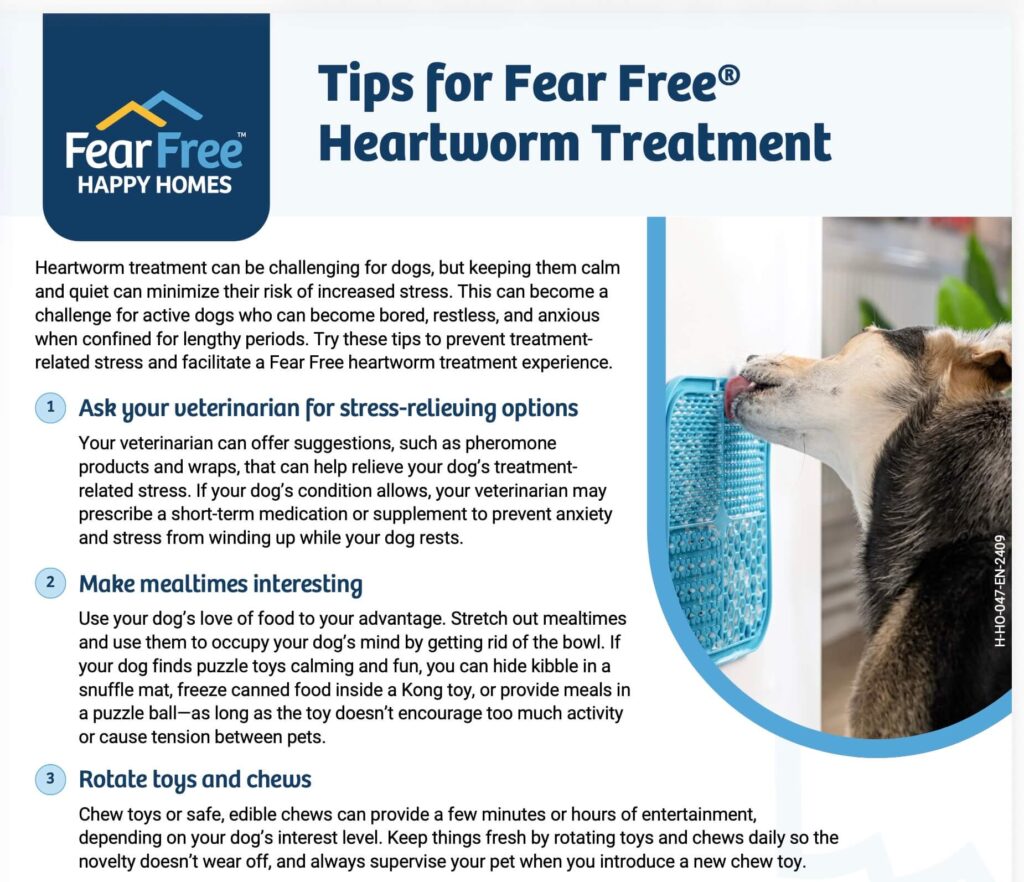
Managing heartworm treatment in dogs often presents significant hurdles, particularly because it requires keeping the animals calm and restricting their activity levels to reduce any potential complications from heightened stress. For energetic and playful dogs, this restriction can prove especially difficult, as they tend to grow bored, fidgety, and worried during extended confinement periods that are necessary for successful recovery.
To help pet owners navigate these challenges effectively, implementing specific strategies can greatly alleviate treatment-associated anxiety and contribute to a more positive, Fear Free experience throughout the heartworm treatment process. These approaches focus on creating a supportive environment that minimizes fear and promotes relaxation for the dog.
One key aspect involves preparing the dog's living space in advance to make confinement feel secure rather than punitive. Select a quiet, comfortable area away from high-traffic zones in the home, equipping it with familiar bedding, favorite toys, and items that carry soothing scents, such as a worn t-shirt from the owner. This setup helps the dog associate the space with safety and comfort, reducing initial resistance to staying put.
Incorporating mental stimulation is crucial to combat boredom during the rest period mandated by heartworm protocols. Puzzle toys filled with small treats, scent games where treats are hidden around the room, or lick mats spread with peanut butter can keep the dog's mind engaged without requiring physical exertion. Rotate these activities regularly to maintain interest and prevent frustration from building up over time.
Gradual desensitization to medical procedures prior to treatment appointments can also play a vital role in easing stress. Practice gentle handling of paws, ears, and mouth at home using positive reinforcement techniques, pairing each touch with high-value rewards like bits of cheese or soft treats. This builds positive associations, making veterinary visits less intimidating when injections or exams are involved.
Calming aids approved for veterinary use, such as pheromone diffusers, anxiety wraps, or prescribed supplements, can provide additional support during peak stress moments. Consult with your veterinarian to determine the most suitable options tailored to your dog's specific needs and temperament.
Regular, short check-ins with plenty of verbal praise and affection reinforce the bond and reassure the dog that they are not isolated. Avoid over-excitement during these interactions to preserve the necessary low-activity state. Monitoring for signs of distress, like excessive panting or pacing, allows for prompt adjustments to the routine, ensuring the treatment progresses as smoothly as possible.
By proactively addressing these elements, pet owners can transform what might otherwise be a tense ordeal into a manageable phase of care, ultimately supporting faster recovery and preserving the dog's overall well-being during heartworm treatment.
Weekly Digest
Top articles delivered to your inbox every week.