
Homemade Dog Urine Repellents: 12 Easy DIY Solutions
Dog urine and pleasant surroundings often clash in unfortunate ways. What benefits one can damage the other, and if you're dealing with this issue at home, you're well aware of which side is prevailing in your space. This could be due to your own pet or perhaps a neighbor's dog wandering into your y
Dog urine and pleasant surroundings often clash in unfortunate ways. What benefits one can damage the other, and if you're dealing with this issue at home, you're well aware of which side is prevailing in your space. This could be due to your own pet or perhaps a neighbor's dog wandering into your yard from a few houses away. Fortunately, the solution doesn't require purchasing costly products from a pet supply store.
Many of the ingredients you need are probably already available in your kitchen pantry, making it simple and affordable to create effective deterrents right at home.
Essential First Step Before Applying Any Repellent
Prior to using any spray or mixture, it's crucial to thoroughly clean the affected areas. Canines have an incredibly sensitive sense of smell and are drawn back to the same locations because they can detect lingering urine scents that are imperceptible to human noses. Ordinary household cleaners frequently fail to eliminate these traces completely, leaving behind chemical residues that essentially invite the dog to return and mark the spot again. Products specifically designed as enzymatic cleaners are engineered to fully degrade these odor-causing compounds, significantly reducing the likelihood of the dog relocating the area. Neglecting this vital preparation step sets you up for failure, as the repellents will struggle to work effectively against persistent scents.
An important safety reminder: ensure all pets are kept away from the treated surfaces until the solutions have completely dried or been fully absorbed into the ground or fabric. Many of the recipes listed below pose risks such as gastrointestinal distress or more severe health issues if a dog licks or ingests them while still wet.
12 Effective Homemade Repellents to Stop Dog Peeing
1. Citronella Oil Repellent
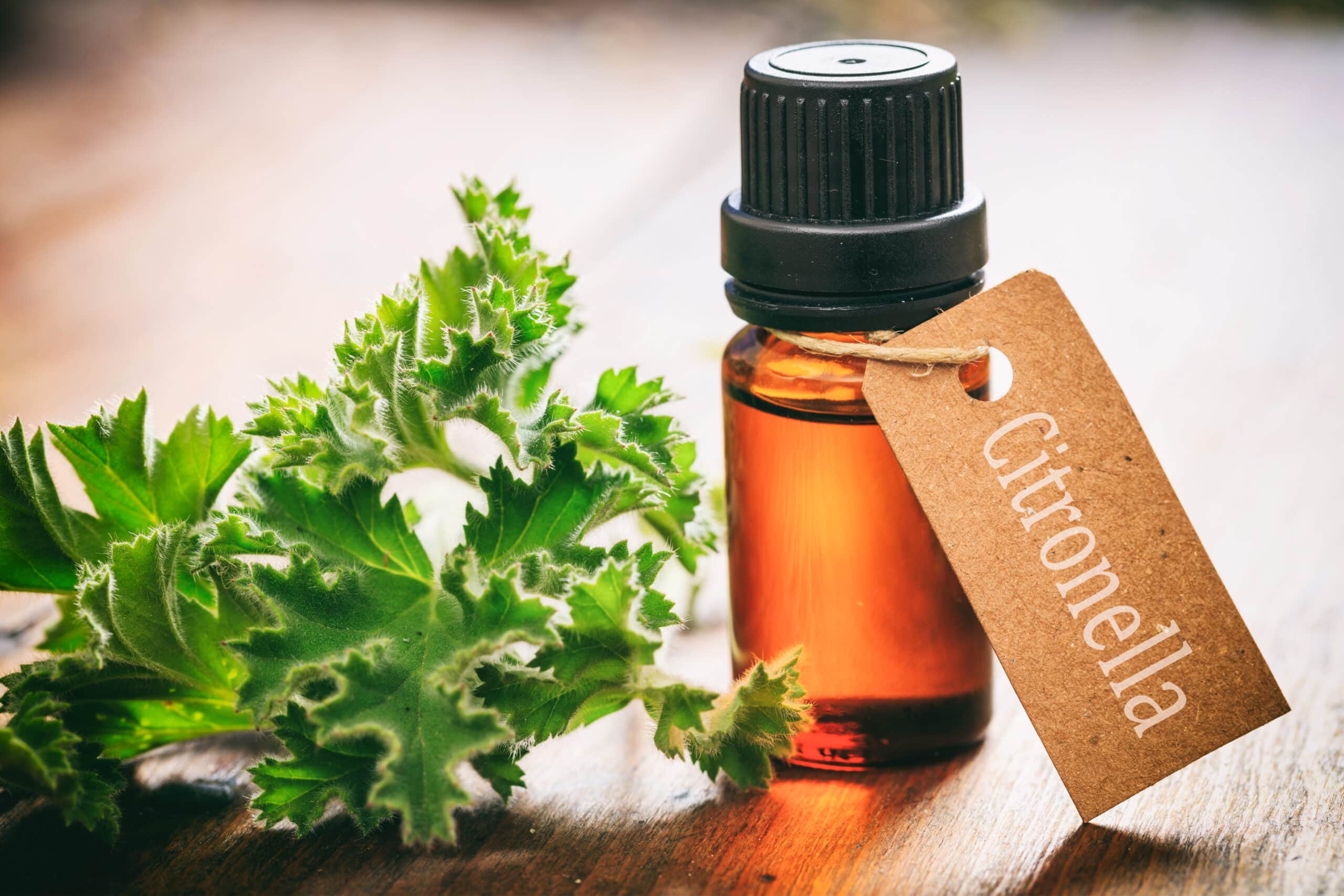
Citronella oil's powerful aroma, well-known for repelling mosquitoes, proves equally effective against dogs. The intense fragrance typically prompts most dogs to avoid the area and seek elsewhere to relieve themselves. This option remains non-toxic to humans and local wildlife when used properly. However, undiluted or overly concentrated applications might cause irritation to a dog's sensitive respiratory passages, so always dilute it generously and apply it in light mists. Its strong odor can also be overwhelming for people in close proximity, making it ideal exclusively for outdoor use where ventilation is plentiful.
2. Sour Apple Essential Oil Spray
Mix just a handful of drops of sour apple essential oil into water or a carrier oil like jojoba or almond oil to produce a scent profile that's appealing to humans yet highly uninviting to canine noses. Never apply this directly onto vegetation, as it could harm plants, and store the undiluted oil far from any dog's reach to prevent accidental ingestion. This spray tends to evaporate relatively swiftly, necessitating regular reapplication to sustain its protective barrier. You can source sour apple essential oil affordably through online retailers or local health and wellness shops.
3. Hot Chili Powder Deterrent
If you've previously sprinkled chili powder around bird feeders to deter pesky squirrels, you're familiar with its mechanism. Dogs exhibit a comparable aversion, quickly turning away upon encountering the spicy scent and sensation. Use it judiciously to avoid irritating particularly sensitive canine snouts, and steer clear of pale or light-colored surfaces where the red powder might leave visible stains. On the positive side, this method often yields rapid outcomes, frequently requiring just a single application to establish long-lasting avoidance.
4. Cinnamon-Citrus Spray Blend
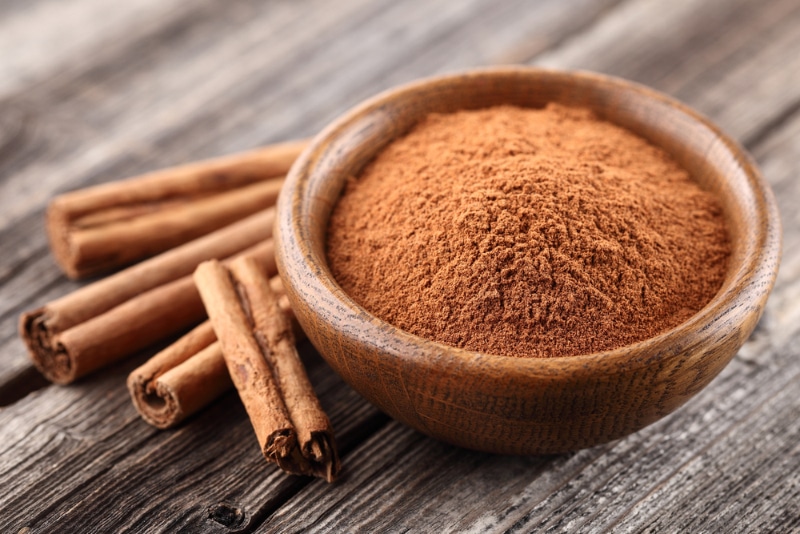
Combining cinnamon and citrus essences leverages two aromas that a majority of dogs find thoroughly displeasing. Proper dilution is non-negotiable, as concentrated forms of either can provoke irritation upon contact, and excessive citrus exposure carries toxicity risks for dogs. Employ the minimal number of drops needed for efficacy. Similar to other essential oil-based formulas, this spray disperses quickly into the air, particularly following rainfall, so plan for touch-ups as required.
5. Vinegar and Citrus Spray Mixture
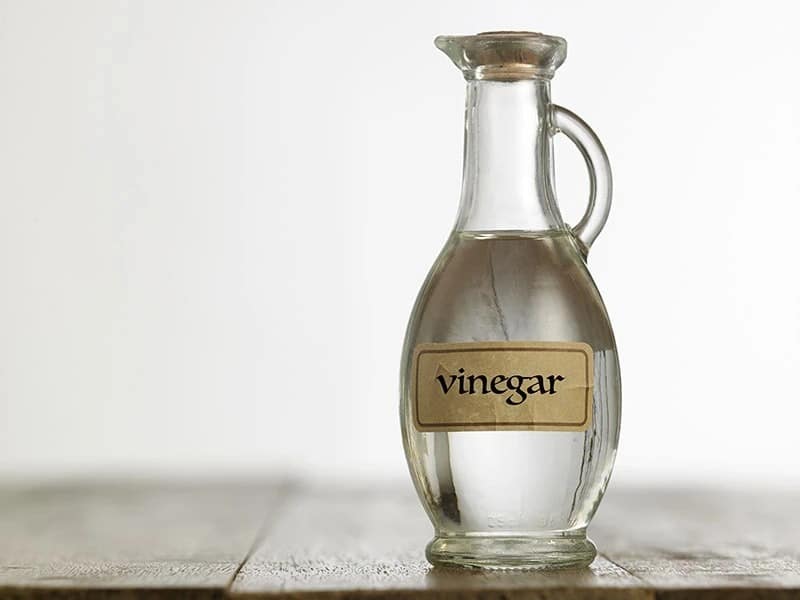
Blending white distilled vinegar with citrus elements produces a robust olfactory barrier that successfully repels the vast majority of dogs. Apple cider vinegar serves as a suitable alternative if white vinegar isn't on hand. The mixture's elevated acidity level renders it damaging to plant life, so apply cautiously around gardens or lawns. Its pungent nature may necessitate closing nearby windows during application to avoid indoor odors. Although it evaporates promptly, this remains among the most dependable choices for consistent performance.
6. Lemongrass-Peppermint Solution
This particular blend offers a genuinely enjoyable fragrance for humans, rendering it suitable for zones close to indoor living spaces. Simply incorporate several drops of lemongrass and peppermint essential oils into a spray bottle filled with water, shake well, and apply. Exercise caution around feline companions, as cats that come into contact and subsequently groom themselves might experience adverse reactions from ingesting lemongrass residues. Dogs face similar risks of digestive upset if they directly lick freshly sprayed areas.
7. Basic Vinegar Solution
A straightforward mixture of one part white vinegar to four parts water delivers immediate results through its sharp, vinegary tang that dogs instinctively avoid. Refrain from using it in proximity to delicate plants, and anticipate the need for frequent reapplication since environmental factors like rain accelerate its degradation. Varying the application locations periodically can enhance its ongoing potency by preventing dogs from adapting to predictable patterns.
8. Rubbing Alcohol Mixture
When properly diluted, rubbing alcohol emits a harsh, medicinal scent that effectively dissuades dogs from nearing treated zones. As a water-soluble formula, it offers no resistance to rainfall and demands repeated applications to remain viable. Importantly, maintain strict separation from all pets, given its high toxicity if swallowed even in modest quantities.
9. Citrus Water Spray
Infuse water with essential oils derived from oranges, lemons, or limes to craft a deterrent loathed by both dogs and cats alike. This option demonstrates superior longevity compared to several alternatives, clinging to surfaces longer. Nonetheless, citrus compounds hold potential for dermal irritation and gastrointestinal complications in pets, so position applications in locations inaccessible to animals.
10. Black Pepper Oil Infusion
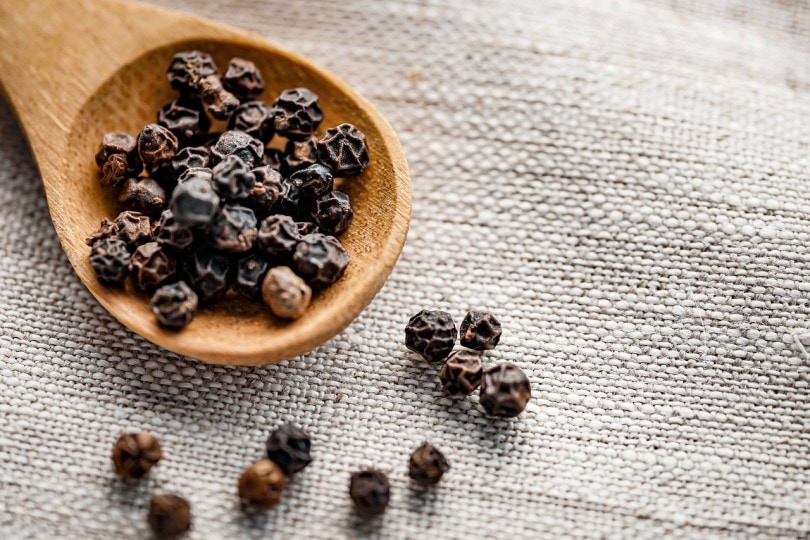
Preparing this requires minimal effort: gently simmer one tablespoon of freshly crushed black peppercorns in half a cup of a neutral oil, such as vegetable or canola, for several minutes. Allow it to cool thoroughly before straining out the solids. The infused oil serves as a formidable repellent, though it spoils rapidly if not stored in the refrigerator. It also carries a risk of staining fabrics or surfaces, so deploy it selectively and in sparse amounts to minimize close-range irritation.
11. Chili-Black Pepper Oil Combination
Enhance the black pepper oil recipe by incorporating one tablespoon of crushed red chili pepper flakes during the simmering process for amplified potency. Avoid bringing the mixture to a full boil, as this liberates irritating vapors unsuitable for indoor environments. This intensified version heightens staining potential beyond plain black pepper oil, warranting careful selection of application sites.
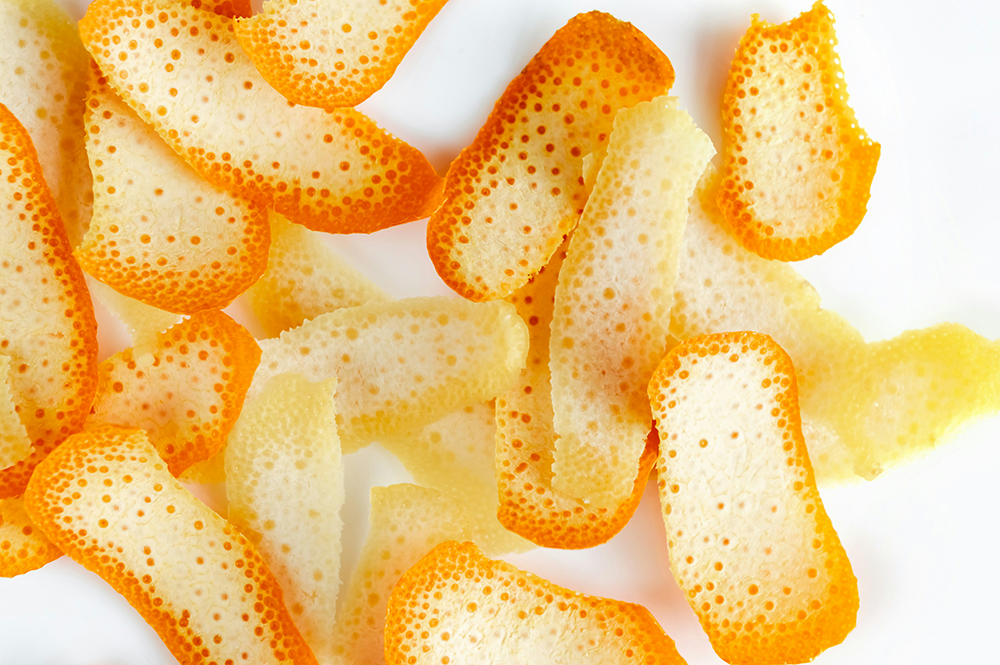
12. Fresh Citrus Peels Barrier
For the easiest approach, bundle fresh peels from oranges, lemons, or limes into cheesecloth sachets and suspend them adjacent to vulnerable areas. This passive method demands no mixing or spraying. Be mindful, however, that citrus rinds may draw ants or rodents, so position them distanced from home entrances. Ensure absolute inaccessibility to pets, as substantial ingestion of citrus material constitutes a toxic hazard.
Strategies for a Permanent Resolution
While repellents adeptly address the visible symptoms of unwanted marking, true resolution lies in modifying the underlying behavior. Canines engage in marking to convey messages to fellow dogs, assert territorial dominance, or mask preexisting odors. This conduct stems from deep-seated instincts, persisting without deliberate intervention and training.
Positive reinforcement training stands as the gold standard for reshaping habits. Select and consistently maintain a dedicated outdoor potty zone for your dog, lavishing praise and rewards each time they utilize it correctly. Gently guide them back to this approved area whenever they veer toward prohibited locations. Incorporating crate training further aids, leveraging dogs' innate reluctance to eliminate in their sleeping quarters.
When contending with intrusive neighborhood dogs, consider installing a motion-activated sprinkler system, renowned for its superior deterrence through startling water bursts. Should your own dog's marking escalate to unmanageable levels, consult your veterinarian promptly. They can diagnose potential medical contributors and recommend customized behavioral or pharmacological interventions tailored precisely to your circumstances.
Weekly Digest
Top articles delivered to your inbox every week.