
Overlooked Tall Grass Danger: Dead Ticks on Dogs
Discovering a tick attached to your canine companion can present in various forms, contingent upon the moment of detection. Certain ticks appear swollen and unmistakably active, while others manifest as diminutive, desiccated, and fragile entities that might be misconstrued as mere scabs or fragment
Discovering a tick attached to your canine companion can present in various forms, contingent upon the moment of detection. Certain ticks appear swollen and unmistakably active, while others manifest as diminutive, desiccated, and fragile entities that might be misconstrued as mere scabs or fragments of dirt entangled in the coat. Encountering a deceased tick often brings a momentary sense of reassurance in contrast to a vibrant one, leading numerous pet guardians to dismiss it outright. Nevertheless, it is crucial to recognize that even lifeless ticks warrant prompt intervention. Grasping the implications of its presence, the reasons behind its demise, and the appropriate methods for management can alleviate potential worries and safeguard your dog's well-being effectively.
Determining If a Tick Is Truly Deceased
Ascertaining the status of a tick's vitality proves more challenging than one might anticipate. Lifeless ticks exhibit a distinctive silvery-white hue, accompanied by a parched and brittle texture, distinctly differing from the darker pigmentation typical of their living counterparts. The legs of a dead tick characteristically retract and curl inward toward the torso, serving as the most dependable indicator. In opposition, a viable tick maintains its limbs extended outward and could display subtle movements, even during the feeding process. Relying solely on coloration can be misleading, as ticks may adopt a grayish tone while remaining fully operational.
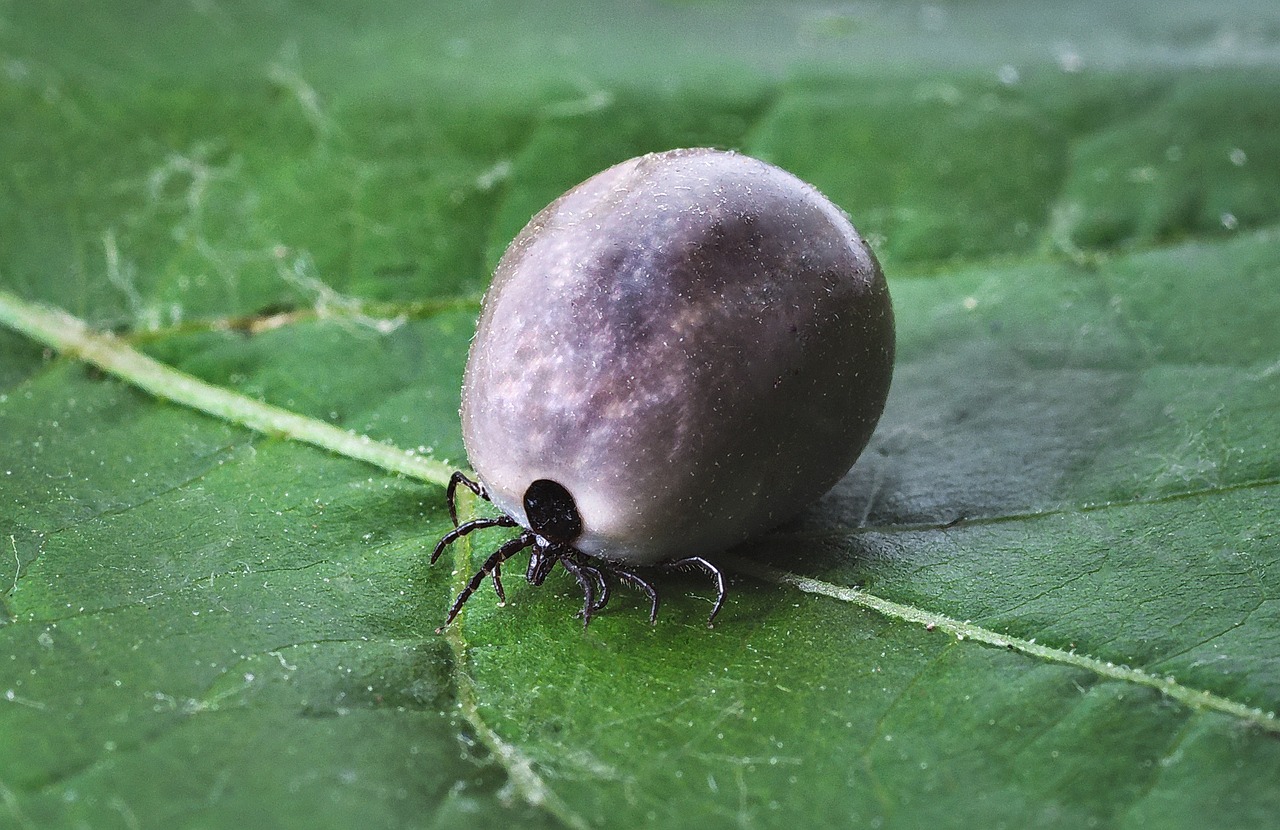
Moreover, the dimensions of ticks fluctuate significantly based on their feeding status. An individual that has not yet fed measures approximately the size of a small apple seed, whereas one that has gorged itself fully might expand to resemble a pumpkin seed or even surpass that proportion. These variations underscore the necessity for careful inspection to avoid misidentification, ensuring that no potential threat is overlooked during routine checks after outdoor excursions.
Understanding the Reasons Behind a Tick's Death
In the majority of instances, the demise of a tick results from the efficacy of your dog's flea and tick prophylactic regimen. Products such as medicated collars penetrate the uppermost dermal layer of the skin, systematically eliminating ticks subsequent to their initial bite. Consequently, observing a dead tick on a pet adhering to its preventive schedule typically signifies successful protection rather than any failure in the protocol. This phenomenon reassures owners that their chosen treatments are actively combating parasitic invasions.
An alternative frequent trigger involves physical injury inflicted by the dog itself. Canines often respond to the irritation caused by a tick through scratching or nipping at the affected area, which can crush and terminate the parasite. While many deceased ticks detach spontaneously and drop away, their specialized mouthparts are engineered to embed deeply and securely into the host's skin. This anchorage explains why certain remains persist post-mortem, necessitating manual intervention to prevent prolonged attachment.
The Importance of Removing Even a Deceased Tick
The primary rationale for extraction lies in the embedded mouthparts that remain firmly lodged within your dog's epidermis. These structures can persist for several weeks if undisturbed, heightening the probability of localized inflammation, secondary bacterial infections, or chronic discomfort at the attachment point. Additionally, an often-overlooked factor emerges during the removal phase: improper handling, such as excessive pressure or compression of the tick's body, risks expelling residual blood or fluids back into the wound. This could inadvertently introduce pathogens, emphasizing the critical role of precise technique in maintaining hygiene and minimizing health risks.

Furthermore, neglecting removal might exacerbate skin sensitivities, particularly in breeds prone to allergies or those with dense coats that obscure early detection. Vigilance in this matter not only promotes immediate skin health but also facilitates ongoing monitoring for any atypical reactions, ensuring comprehensive care.
Proper Technique for Extracting a Desiccated, Lifeless Tick
The methodology mirrors that employed for live specimens, albeit with heightened caution to preserve the tick's integrity and avoid fragmentation:
- Verify the tick's deceased state and gently separate the surrounding fur to expose the site clearly for optimal visibility.
- Employ precision-tipped tweezers or a specialized tick extractor, aligning the instrument as proximate to the skin surface as feasible without causing discomfort.
- Apply a slow, unwavering upward traction, eschewing any rotational, torsional, or compressive forces on the body to prevent breakage.
- Maintain uniform tension throughout the process until the entirety of the head and mouthparts disengage completely from the skin.
- Should a veterinary consultation be anticipated, preserve the specimen within a sealed plastic container or bag to enable species identification and potential testing.
- Disinfect the affected area meticulously using 70% isopropyl alcohol or a 3% hydrogen peroxide solution, followed by mild soap and water for thorough cleansing.
Post-removal, observe the site daily for indicators of infection, such as redness, swelling, pus formation, or escalating itchiness. Documenting the incident, including date, location of discovery, and tick appearance, aids in tracking patterns and informing future preventive strategies. This systematic approach not only resolves the immediate concern but also bolsters your proficiency in parasitic management over time.
Conducting a Comprehensive Inspection of Your Dog's Body
The discovery of a single tick invariably suggests the possibility of additional infestations lurking undetected. Initiate a meticulous examination spanning from the nose to the tail tip, prioritizing regions conducive to concealment: areas with elongated fur, interdigital spaces between paws, facial contours, and the inner recesses of ear flaps. Parasites gravitate toward secluded, thermally favorable niches where dislodgement is minimized, making these hotspots prime targets for scrutiny.
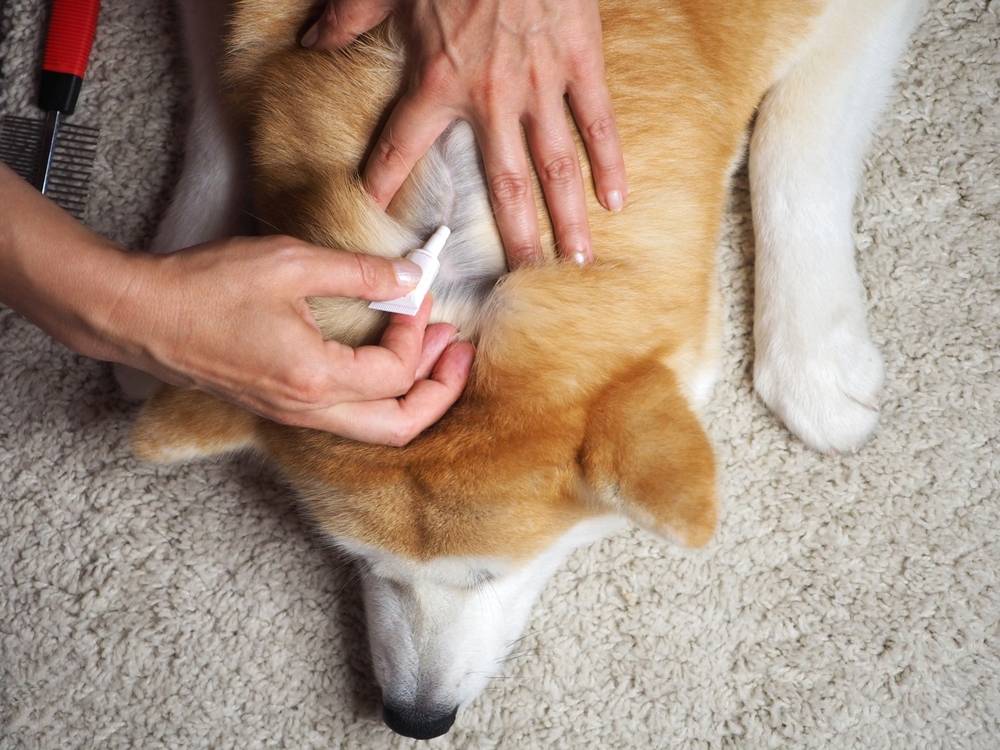
Enhance detection efficacy by employing a fine-toothed comb, particularly on thicker coats, and consider using a magnifying tool or adequate lighting for precision. Divide the body into systematic sections—head, neck, torso, limbs, underbelly, and tail base—to ensure no zone is omitted. For long-haired breeds, dampening the fur slightly can facilitate parting and revelation of hidden intruders. Regular full-body checks post-walks in wooded, grassy, or brushy terrains form the cornerstone of proactive defense, potentially averting multiple attachments before they establish.
Diseases Transmitted by Ticks to Canines
The spectrum of illnesses hinges on the tick species involved and the duration of attachment prior to intervention. Key pathologies include Lyme disease, propagated by deer ticks, prevalent along the West Coast, Northeastern corridors, and upper Midwestern landscapes. Transmission necessitates 36 to 48 hours of adhesion for bacterial transference. Clinical manifestations emerge 2 to 5 months post-bite, encompassing fever, intermittent lameness, arthritic joint inflammation, and infrequently, progressive renal failure culminating in mortality. Therapeutic intervention generally comprises a 28- to 30-day antibiotic regimen, with prognosis optimizing through early detection.
Ehrlichiosis, vectored by brown dog ticks, lone star ticks, and American dog ticks, manifests 1 to 3 weeks following infestation via feverishness and thrombocytopenia, evident as petechial hemorrhages, ecchymoses, or epistaxis. Anaplasmosis mirrors these hematologic perturbations. Additional afflictions encompass Rocky Mountain spotted fever, babesiosis, and bartonellosis, primarily disseminated by deer or American dog ticks contingent upon the etiology. Each demands vigilant surveillance, as symptoms may overlap, complicating self-diagnosis without professional input.
Geographic prevalence modulates risk profiles; consulting regional veterinary resources or tick surveillance maps equips owners with tailored awareness. Vaccination availability for select diseases, like Lyme, alongside prophylactic pharmaceuticals, fortifies resilience against these vector-borne threats.
Mechanisms by Which Ticks Locate and Attach to Dogs
Ticks lack the capacity for jumping or aerial locomotion. Instead, they engage in 'questing'—a strategic posture wherein they perch at the terminus of vegetation, such as grass blades or low shrubs along well-trodden trails, extending limbs to ensnare passing hosts via incidental contact. This passive ambush underscores the peril of tall grasses, meadows, and underbrush during peak activity seasons, typically spring through autumn in temperate zones.
Mitigation strategies center on unwavering adherence to veterinarian-recommended preventives: topical spot-ons, oral ingestibles, sprays, or impregnated collars. These formulations either deter approach through repellency or neutralize upon contact via neurotoxic agents. Adhering to dosing calendars, accounting for weight adjustments and reapplication intervals, constitutes the paramount bulwark. Complement with environmental controls, such as yard perimeter treatments and trail avoidance, to diminish exposure holistically.
Circumstances Necessitating Veterinary Consultation
Promptly engage your veterinarian upon observing post-tick symptomatology or following exposure in endemic locales. Sentinel signs encompass pyrexia, aberrant somnolence beyond typical fatigue, ambulatory hesitancy or limping, joint effusions, appetite aberrations, ecchymotic manifestations, or nasal hemorrhages. Expeditious diagnostics—encompassing serologic assays, complete blood counts, and urinalyses—facilitate targeted pharmacotherapy, markedly ameliorating prognoses across all tick-vectored maladies.
Err on the side of caution rather than adopting a watchful waiting stance; even subclinical infections can precipitate insidious organ compromise. Historical tick encounters, coupled with vaccination status and prophylactic compliance, inform the clinician's acuity. Routine annual screenings for endemic regions further preempt escalation, embodying the ethos of preventive veterinary medicine.
Weekly Digest
Top articles delivered to your inbox every week.