
Stop Rough Dog Play: Easy Fixes to Keep It Safe
A dog engaging in excessively rough play with fellow canines can quickly turn into a significant issue. In one instant, the animals are joyfully sprinting and pursuing each other, and in the next, yelps echo through the air, another pet owner casts a worried glance your way, and you're scrambling to
A dog engaging in excessively rough play with fellow canines can quickly turn into a significant issue. In one instant, the animals are joyfully sprinting and pursuing each other, and in the next, yelps echo through the air, another pet owner casts a worried glance your way, and you're scrambling to regain control over a scenario that intensified rapidly without warning. Grasping the underlying reasons for this behavior represents the essential initial step toward effectively curbing it and ensuring safer interactions.
Recognizing the True Nature of the Interaction Is Essential
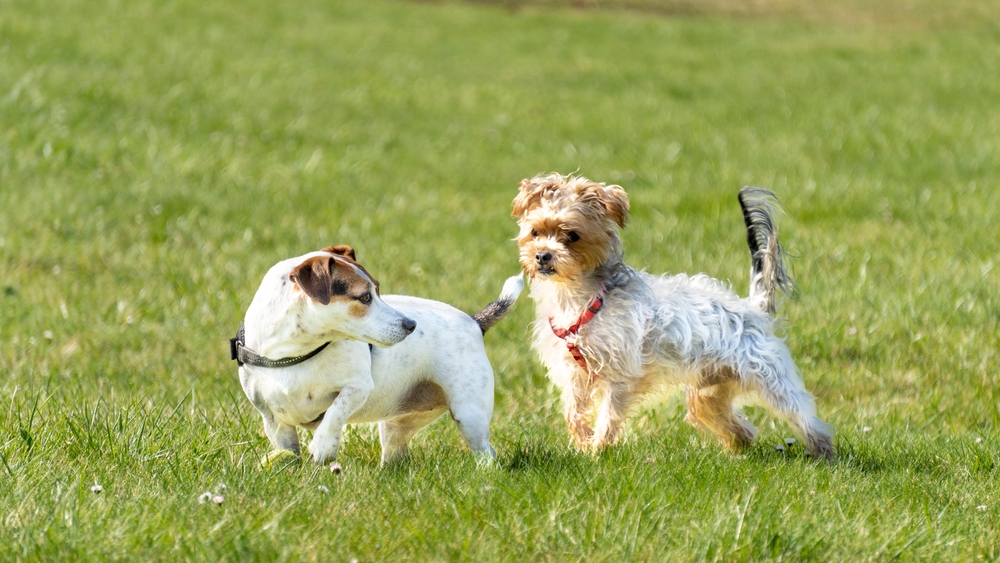
It's vital to differentiate between genuine rough play and actual aggression, as this distinction profoundly influences your appropriate response strategy. Canines involved in playful activities, even those that are quite vigorous, generally exhibit relaxed and loose body postures. Their tails swing in broad, enthusiastic sweeps, their mouths remain open in a playful pant, and their actions are lively, bouncy, and mutually exchanged. However, as the play begins to veer toward a more intense or problematic territory, noticeable shifts occur in their physical demeanor. The body language becomes tense and rigid. The tail might elevate higher and wag in narrower, more rigid motions. The jaws clamp shut. Direct eye contact shifts from fleeting glances to intense, unwavering stares.
Excessive excitement frequently emerges as the primary trigger for overly rough play sessions. Certain dogs face challenges in modulating their own energy levels once they reach a peak arousal state, and absent intervention from their handler, the interaction spirals out of control. Additionally, it's important to recognize that specific dog breeds inherently lean toward more energetic and robust play styles. Groups such as terriers, herding varieties, and working breeds often display more intense and unrelenting approaches to play. While this inherent tendency does not excuse inappropriate conduct, it provides valuable context for why particular dogs require heightened supervision and management compared to their more laid-back counterparts.
Immediate Actions to Take During an Episode
Your most dependable immediate resource for interrupting overly rough play and preventing escalation lies in a dependable recall command—a specific cue or phrase that your dog has been thoroughly trained to obey, prompting them to return directly to your side. Phrases like “come” or “here” prove effective, provided they have been drilled consistently across various settings prior to deployment in stimulating locales such as a crowded dog park. When your dog heeds the call and approaches you, this pause in the activity allows all involved parties a moment to decompress and regain composure.
Should your recall training not yet be reliable, or if the situation has progressed too swiftly for it to take effect, employing a distraction technique can effectively shift your dog's attention away from the interaction. Offering a particularly enticing treat, presenting a beloved toy, or producing an abrupt, sharp sound can successfully halt the ongoing momentum. Once you've captured their focus, swiftly secure a leash around them and establish physical separation from the other dog involved, thereby diffusing potential tension.
In instances where distractions or recalls fall short and the play has intensified considerably, introducing a physical barrier offers a practical solution. For example, deploying an umbrella can obstruct the direct line of sight between the dogs, eliminating the visual stimulus that fuels the excitement while allowing you to manage the separation without positioning yourself directly between the animals.
Proactive Environmental Adjustments to Avoid Issues Altogether
While responding reactively to rough play episodes provides temporary relief, implementing modifications to the circumstances and venues of your dog's playtime fosters enduring improvements in behavior. Expansive group settings, such as large dog parks, pose greater challenges for effective oversight and heighten the risk of overstimulation among the participants. For dogs who struggle with self-moderation, initiating play in smaller, more controlled scenarios—ideally involving just one familiar companion—serves as a superior foundation rather than plunging into the chaos of an off-leash area teeming with unfamiliar dogs.
Equipping your dog with a properly fitted harness during playdates where roughhousing presents a concern equips you with a stable grip point for intervention if separation becomes necessary. This tool proves far safer to grasp than a traditional collar amid the fervor of an intense moment. Similarly, the handler of the other dog should maintain ready access to a leash, enabling both parties to exercise control should circumstances demand it.
By deliberately limiting group sizes and selecting playmates with compatible energy levels and temperaments, you eliminate much of the unpredictability from these encounters. Not all dogs mesh seamlessly with every possible play style, and frequently, matching a high-energy, easily aroused dog with a more subdued partner results in unfavorable outcomes for everyone involved. Thoughtful pairing enhances the likelihood of positive, balanced interactions.
Strengthening Desired Behaviors Through Rewards
One of the simplest yet frequently neglected strategies involves actively rewarding instances of calm and suitable play conduct. Whenever your dog engages positively with others, relaxes appropriately following a recall, or voluntarily checks in with you amid a play session, acknowledge these moments promptly with verbal praise, a tasty treat, or another form of affirmation. Incorporating positive reinforcement techniques extends beyond structured training sessions into everyday play environments. This practice cultivates a reliable pattern where your dog habitually seeks your guidance and cues during periods of elevated excitement, precisely the dynamic you aim to nurture for long-term success.
Developing a robust recall response demands steady, deliberate practice sessions, commencing in low-distraction home settings and progressively advancing to more dynamic outdoor environments. If your dog fails to respond reliably to your call in a serene, controlled space, expecting compliance amid the distractions of a bustling dog park sets unrealistic expectations. Prioritize constructing this foundational skill set through gradual exposure and repetition before depending on it during high-stakes scenarios.
Knowing When to Suspend Group Play Activities
Certain indicators signal the need to temporarily halt unstructured playdates and seek expert input. If your dog persistently displays signs of distress such as vomiting after separations, demonstrates an inability to settle down post-intervention, exhibits rigid or overtly aggressive postures instead of the fluid, playful looseness characteristic of fun interactions, or if surrounding dogs frequently manifest fear or stress responses in their presence, it's prudent to implement a pause on open playgroups. Engaging a certified professional trainer or consulting your veterinarian becomes the recommended course of action. Numerous dogs benefit from targeted behavioral modification programs prior to resuming social play, and viewing this as a necessary step reflects responsible ownership rather than any shortcoming on your part. This approach simply acknowledges your dog's current capabilities and tailors support accordingly.
Overly rough play remains a prevalent challenge among dogs navigating social environments. Fortunately, armed with appropriate strategies and consistent application, the vast majority of owners successfully mitigate these tendencies before injuries occur or patterns solidify. By investing time in understanding canine communication cues, refining training fundamentals like recall, curbing environmental triggers through smarter play setups, and rewarding appropriate conduct, you empower your dog to enjoy fulfilling interactions safely. Proactive measures not only avert potential conflicts but also deepen the bond between you and your pet, fostering confidence in diverse settings. Remember, every dog's journey toward balanced socialization is unique—patience paired with persistence yields the most rewarding results. With these tools at your disposal, transforming rough play into harmonious fun becomes entirely achievable.
Weekly Digest
Top articles delivered to your inbox every week.