
Ultimate AmStaff Feeding Guide: Optimal Nutrition Diet
Understanding the Nutritional Requirements of American Staffordshire TerriersAmerican Staffordshire Terriers, celebrated for their impressive strength, bravery, and muscular physique, demand meticulous dietary care to sustain peak health and energy levels. Given their distinctive nutritional demands
Understanding the Nutritional Requirements of American Staffordshire Terriers
American Staffordshire Terriers, celebrated for their impressive strength, bravery, and muscular physique, demand meticulous dietary care to sustain peak health and energy levels. Given their distinctive nutritional demands tied to their active nature and robust build, responsible owners need to grasp the fundamentals of optimal feeding strategies. This detailed resource explores the perfect nutritional plan tailored for American Staffordshire Terriers, guaranteeing they obtain all essential elements for a vibrant, extended lifespan filled with vitality.
These dogs thrive when provided with a well-rounded intake that incorporates high-grade proteins for muscle repair and growth, healthy fats for sustained energy and skin maintenance, complex carbohydrates for fuel, along with vital vitamins, minerals, and fiber to bolster overall wellness. Such a diet not only fuels their energetic pursuits but also fortifies their impressive muscular structure while promoting digestive efficiency and immune resilience.
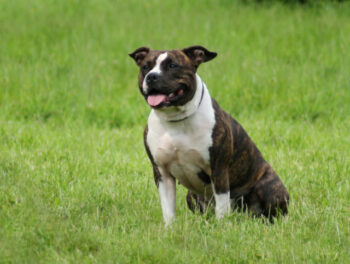
Essential Dietary Components for Peak Performance
To achieve the best results, the feeding regimen for American Staffordshire Terriers should prioritize superior protein content derived from real animal sources, moderate levels of beneficial fats, digestible carbohydrates, and ample fiber. Proteins serve as the cornerstone for preserving and developing their powerful muscles, fats deliver crucial energy reserves and enhance coat luster, while carbohydrates supply quick-access fuel for daily activities. Fiber plays a pivotal role in ensuring smooth gastrointestinal function, preventing common digestive woes.
High-Quality Protein Sources: Foundation for Muscular Strength
Proteins form the essential building blocks necessary for developing and sustaining the solid, athletic musculature characteristic of American Staffordshire Terriers. Premium sources such as fresh chicken, beef, lamb, and fish ought to constitute the majority of their daily intake. For dogs exhibiting sensitivities to common proteins, alternative options like duck or venison prove excellent substitutes, minimizing allergic responses while delivering comparable nutritional benefits.
The Critical Function of Fats in AmStaff Nutrition
Fats, especially the omega-3 and omega-6 fatty acids, play an indispensable role in preserving the glossy coat and supple skin of American Staffordshire Terriers. Beneficial sources include fish oil rich in EPA and DHA, ground flaxseed for plant-based omegas, and rendered chicken fat for palatability and absorption. Nevertheless, fat levels must be precisely moderated to circumvent excessive weight gain, which could strain joints and diminish agility in this breed.
Carbohydrates and Fiber: Fuel and Digestive Support
Although proteins and fats take precedence, carbohydrates remain vital for providing enduring energy and fiber to facilitate proper digestion in American Staffordshire Terriers. Opt for wholesome sources like brown rice, sweet potatoes, oats, green leafy vegetables, and select berries. These elements not only furnish steady power for play and exercise but also promote regular bowel movements and gut microbiome balance, warding off constipation or diarrhea.
Vital Vitamins and Minerals for Comprehensive Wellness
An optimally formulated diet for American Staffordshire Terriers must incorporate a precise blend of vitamins and minerals to underpin myriad physiological processes. These nutrients bolster immune defenses, fortify bone density, regulate metabolism, and enhance cellular repair. Reputable commercial dog foods typically enrich their recipes with these micronutrients in bioavailable forms, ensuring comprehensive coverage without the need for constant supplementation.
Importance of Hydration for AmStaff Health
Adequate hydration stands as a non-negotiable pillar of health for American Staffordshire Terriers. Constant availability of fresh, clean water encourages sufficient intake, averting dehydration that might trigger kidney strain, urinary complications, or heat-related illnesses. Owners should refresh water bowls multiple times daily, particularly after vigorous activity, and consider elevated or filtered dispensers to promote consistent consumption.
Optimal Feeding Routines and Portion Management
Most American Staffordshire Terriers flourish on a twice-daily feeding schedule, with meals spaced roughly 12 hours apart to stabilize blood sugar and energy. Precise portioning proves vital to forestall obesity, especially in dogs with moderated activity. Quantities fluctuate based on factors like age, body mass, metabolic rate, and exercise intensity—puppies and highly active adults require more, while seniors or couch potatoes need less. Regularly assess body condition score to fine-tune amounts.
Specialized Nutrition for AmStaff Puppies
Young American Staffordshire Terrier puppies possess elevated nutritional prerequisites distinct from mature dogs, necessitating puppy-formulated foods brimming with dense calories, proteins, and fats to fuel explosive growth phases. These specialized blends incorporate higher DHA for brain development, balanced calcium-phosphorus ratios for skeletal integrity, and antioxidants for budding immunity, all calibrated for medium-to-large breed trajectories to mitigate risks like hip dysplasia.
Dietary Strategies for Common Health Challenges
American Staffordshire Terriers face breed-specific vulnerabilities such as joint degeneration and dermatological allergies. Diets augmented with omega-3s exert anti-inflammatory effects to alleviate arthritic discomfort and lubricate joints, whereas hypoallergenic formulations eschew triggers like grains or poultry, substituting novel proteins to soothe pruritus and enhance dermal barrier function.
Comparing Kibble, Canned, and Raw Feeding Approaches
Selecting among kibble, wet canned varieties, or raw feeding paradigms hinges on lifestyle compatibility, budgetary constraints, and canine preferences. Kibble offers convenience, dental abrasion benefits, and shelf stability; wet foods excel in hydration, flavor appeal, and nutrient density for finicky eaters; raw diets mimic ancestral patterns with maximal freshness and enzymatic integrity but demand rigorous hygiene protocols and balanced supplementation to avert deficiencies.
Evaluating the Need for Nutritional Supplements
A meticulously balanced base diet theoretically supplies all requisites, yet certain American Staffordshire Terriers derive advantages from targeted additives like glucosamine-chondroitin complexes for orthopedic support or concentrated omega-3 oils for integumentary excellence. Veterinary endorsement remains imperative prior to integration, as over-supplementation risks toxicity or imbalance.
Navigating Safe Human Foods for AmStaffs
Select human edibles, including unseasoned boiled meats, steamed carrots, green beans, blueberries, and apples (pitted), may complement an AmStaff diet sparingly as toppers for appeal. Conversely, staunchly prohibit toxic culprits: theobromine-laden chocolate, nephrotoxic grapes/raisins, hemolytic onions/garlic, and artificial sweetener xylitol, which precipitates profound hypoglycemia.
Crafting the quintessential diet for an American Staffordshire Terrier harmonizes with their bespoke nutritional profile and dynamic disposition. Integrating premium proteins, judicious fats, nutrient-dense carbohydrates, micronutrients, and unfettered water access underpins thriving vitality. Periodic veterinary evaluations, coupled with vigilant body condition surveillance, empower owners to perpetuate their AmStaff's robust health and joyful longevity.
Common Health Vulnerabilities in American Staffordshire Terriers and Dietary Interventions
American Staffordshire Terriers embody resilience and devotion, yet harbor genetic inclinations toward select ailments. Discerning these susceptibilities and leveraging nutrition therapeutically empowers owners to amplify lifespan and quality of life. This segment elucidates prevalent concerns and culinary countermeasures.
Joint and Skeletal Integrity: Proactive Nutritional Defense
Predisposition to hip/elbow dysplasias plagues this muscular breed, imposing orthopedic burdens. Omega-3 polyunsaturated fatty acids, via their eicosanoid modulation, quell synovial inflammation; adjunctive glucosamine/chondroitin nurtures cartilage regeneration. Weight optimization via caloric restraint profoundly unburdens afflicted joints, deferring degenerative progression.
Combating Obesity: A Dietary Imperative
Surplus adiposity imperils American Staffordshire Terriers with metabolic sequelae—insulin resistance, cardiomyopathy, arthropathy exacerbation. Calorie-circumspect, nutrient-replete rations, synchronized with aerobic/strength conditioning, fortify metabolic thriftiness. Curtail opportunistic treats, favoring volumetric vegetables for satiety sans caloric surfeit.
Mitigating Dermatological Hypersensitivities
Atopic eruptions manifest as incessant pruritus, pyodermatitis, lusterless pelage in allergy-prone AmStaffs. Eliminative diets excising cereal grains, leguminous fillers, soy confer remission; epidermal omega equilibrants (3:6 optimally) reinstate barrier competence, transdermal moisture.
Cardiovascular Nourishment Strategies
Myocardial pathologies loom; natriuretic restraint, taurine/L-carnitine repletion via myocardial-specific myocardiocytes sustain contractility. Antioxidant fortification thwarts peroxidative membrane insults, preserving electromechanical fidelity.
Fortifying Gastrointestinal Resilience
Enteric sensitivities provoke dysbiosis, meteorism. Hydrolyzate proteins, symbiotic pre/probiotics, soluble fibers orchestrate microfloral harmony, peristaltic regularity, mucosal trophism.
Anticarcinogenic Dietary Modalities
Oncogenic prophylaxis, albeit probabilistic, leverages polyphenolic/ascorbyl armamentaria from cruciferae, berries—quenching reactive oxygen species, oncogene silencing. Artifice-free, minimally thermal processing circumvents Maillard neoantigens.
Urinary Tract Fortification
Urolithogenesis menaces; oxalate-sparing, mineral-modulated matrices (Ca:P 1.2:1), polyuric hydration dilute crystalluria, forestalling obstructive nephropathy.
Ocular Nutriture
Cataractous/progressive atrophic retinopathies respond to retinyl/vitamin E cascades, zeaxanthin saturation—retarding lenticular opacification, photoreceptor euglycemia.
Geriatric Nutritional Adaptation
Senescence recalibrates: hypocaloric/fiberous matrices counter sarcopenic adipoenchy, arthroprotective chelators, nootropic phosphatidylserines sustain mentation/motricity.

Frequently Asked Questions on AmStaff Nutrition
This compilation addresses prevalent inquiries, furnishing evidence-grounded counsel for optimal alimentation.
1. Optimal Food Category for American Staffordshire Terriers?
Premium, protein-centric complete rations with nominative meat primacy, lifecycle-calibrated, eschewing byproducts/additivi ensure metabolic satiety sans allergenicity.
2. Daily Ration Quantum?
Allometric scaling (2.5-3 cups dry matter, bisectional) accommodates 40-70lb adults; biometric/veterinary titration refines precision.
3. Grain Exclusion Viability?
Cereal-free paradigms suit atopics, mandating holistic AAFCO compliance, taurine sufficiency vigilance.
4. Anthropic Aliment Safety?
Sparse lean flesh/vegétals permissible; veto methylxanthines, triterpenoids, alliums, sugar alcohols.
5. Feeding Cadence?
Bimensal regimen stabilizes glycemia, chyme transit, satiety signaling.
6. Adjunctive Nutriceuticals?
Ichthyolic omega-3, glycoaminoglycan dyads, lactobacilli—post-veterinarian sanctioning.
7. Herbivorous Feasibility?
Nutritionally labyrinthine; indispensable amino constellation imperils sans synthetic repletion, veterinary orchestration.
8. Adiposity Diagnostics?
Obscured waistline, unpalpable costae signal surfeit; BCS 4-5/9 ideal.
9. Neonate Formulary?
Macronutrient-dense, DHA/Ca:P optimized for gigantomachy prevention.
10. Dietary Transposition?
Septimal acclimation (25-50-75-100%) mitigates dyspepsia.
11. Nutripathic Ramifications?
Adipolytic, arthrotonic, dermatrophic, enteroprotective—chronic malady deterrence.
12. Hydrous vs. Xerous?
Dual viable; kibble dentition/hydration adjunct, paté appetitive/aqueous.
13. Allergic Semiotics?
Pruritus, otalgia, dyschezia, emesis—evocative hydrolysate trialing.
14. Equilibratory Assay?
Euponic pelage, eucratic mass, normocoria, vitality affirmancy; dysharmonies veterinary rectified.
15. Lacteous Tolerance?
Lactasic fraction intolerant; sparse yoghurts, eschewal preferential.
16. Ontogenetic Dietary Flux?
Puppy caloric hypertrophy, adult maintenance, geriatric hypocaloric/arthro-nootropic—staged optimization.

Diet's Pivotal Influence on AmStaff Vitality
Mastering AmStaff predispositions and nutritional prophylaxis ensures protracted eudaimonia. Individualized, veterinarian-vetted regimens, conjoined with prophylactica, attenuate vicissitudes, honoring their indomitable esprit.
Weekly Digest
Top articles delivered to your inbox every week.