
Understanding Discoid Lupus Erythematosus in Dogs
Discoid lupus erythematosus (DLE) represents an autoimmune condition primarily affecting the skin of dogs. This disorder, commonly referred to as lupus in canine contexts, typically manifests initially on the nasal region. Pet owners might first observe a gradual depigmentation of the nose, where th
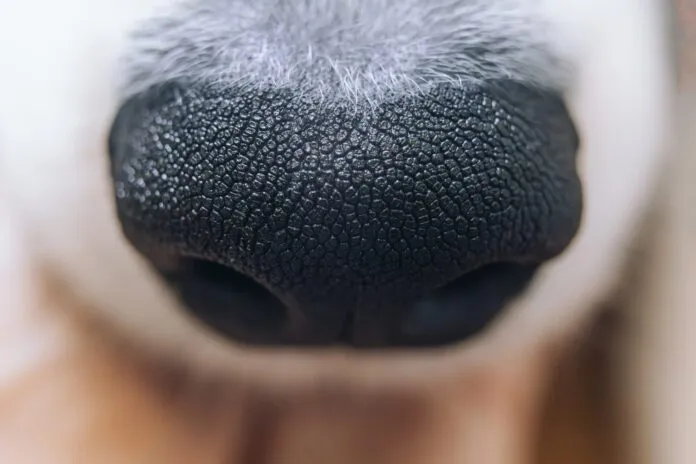
Discoid lupus erythematosus (DLE) represents an autoimmune condition primarily affecting the skin of dogs. This disorder, commonly referred to as lupus in canine contexts, typically manifests initially on the nasal region. Pet owners might first observe a gradual depigmentation of the nose, where the once-dark pigmentation fades. This is often followed by the development of crusty patches, erosions, and even ulceration of the skin surface. For dogs with naturally black noses, this transformation can be particularly striking, as the pigmentation gives way to pinkish hues or irregular pink patches scattered across the surface.
One of the hallmark changes in a dog suffering from DLE is the alteration in the nose's texture. A healthy canine nose typically features a characteristic bumpy or cobblestone-like appearance due to the presence of numerous small papillae. However, in cases of discoid lupus, this rugged topography smooths out noticeably, resulting in a sleek, unnaturally flat surface that stands out to the trained eye.
Beyond the nose, the condition can extend to other vulnerable areas of the dog's skin. Regions surrounding the ears, including the ear flaps themselves, as well as the delicate skin around the eyes and on the lips, may become involved. In certain instances, the tough footpad skin can also show signs of the disease, leading to discomfort and potential complications during movement.
The skin in areas impacted by this form of cutaneous lupus tends to be highly vascularized, meaning it has an abundant blood supply. As a result, even minor injuries or trauma to these zones can lead to significant bleeding. Moreover, these affected regions are frequently painful to the touch, causing the dog evident distress when they are manipulated or irritated.
Although discoid lupus erythematosus is more prevalent in specific breeds such as German Shorthaired Pointers, German Shepherd Dogs, Collies, and Shetland Sheepdogs, it is not exclusive to them. Dogs of any breed or mixed heritage can develop this autoimmune disorder. From clinical observations, Collies appear to be particularly predisposed, to the extent that the condition is sometimes colloquially termed "Collie nose" among veterinary professionals and experienced breeders.
Diagnosing Discoid Lupus Erythematosus in Canines
A veterinarian might suspect discoid lupus erythematosus based solely on the clinical presentation during a routine physical examination. The characteristic changes to the nose and surrounding skin often provide strong indicative evidence. Nevertheless, to achieve a definitive diagnosis and rule out other similar conditions, a skin biopsy is generally recommended. This procedure involves taking a small sample of the affected tissue, typically performed under sedation combined with local anesthesia to ensure the dog's comfort and safety.
In the interim period while awaiting the pathology results from the biopsy, which can take several days, the veterinarian may initiate a trial of antibiotic therapy. This precautionary measure helps to exclude the possibility of a secondary bacterial infection masquerading as or complicating the autoimmune process. Careful monitoring during this phase allows for adjustment of the treatment plan based on the dog's response and the final diagnostic confirmation.
It is crucial for the veterinarian to differentiate discoid lupus erythematosus from systemic lupus erythematosus (SLE), another autoimmune disorder that affects dogs. Unlike DLE, which is confined to the skin, SLE involves a widespread attack by the immune system on multiple tissues and organs throughout the body. This more severe and rare condition carries a potentially life-threatening prognosis and demands aggressive, multifaceted management. Importantly, discoid lupus does not evolve or progress into the systemic form, providing some reassurance to concerned pet owners.
Treatment Strategies for Canine Discoid Lupus
The primary objectives of treatment for discoid lupus erythematosus in dogs center on suppressing inflammation and modulating the overactive immune response. Whenever feasible, topical therapies are preferred as they target the affected areas directly with minimal systemic absorption. However, applying creams or ointments to the face poses practical difficulties, as dogs instinctively lick these regions, which can lead to ingestion of the medication and reduced efficacy.
Conventional topical corticosteroids, while potent anti-inflammatory agents, often prove challenging in this context due to the ease with which dogs remove them through licking. As an alternative, veterinarians frequently prescribe tacrolimus ointment, a potent immunomodulatory agent used off-label in veterinary medicine. This medication demonstrates high effectiveness against DLE lesions and requires only minimal quantities per application, thereby decreasing the likelihood of significant ingestion. Users should apply it sparingly, using protective gloves to avoid skin contact, though its higher cost necessitates judicious use.
For cases where topical treatments fall short, oral medications become necessary. Corticosteroids such as prednisolone administered systemically are highly efficacious, particularly in the initial phases to bring the disease under rapid control. However, their long-term use can introduce side effects including polydipsia (excessive thirst) and polyphagia (increased appetite), which can challenge household management. Therefore, veterinarians strive to reduce the dosage progressively to the lowest effective level, often transitioning to maintenance therapies.
Another promising combination therapy involves the antibiotic tetracycline, valued not only for its antimicrobial properties but also for its immunomodulating effects, paired with niacinamide, a form of vitamin B3. This regimen achieves remission in approximately 70 percent of DLE-affected dogs, offering a steroid-sparing option with fewer side effects. Oral cyclosporine, marketed under brand names like Atopica, serves as yet another immunomodulator that may prove beneficial, although it occasionally provokes gastrointestinal upset such as vomiting or diarrhea in sensitive patients.
Supportive Care Measures for Dog Owners
In addition to pharmacological interventions, pet owners play a pivotal role in managing discoid lupus erythematosus through environmental modifications. A key strategy involves minimizing the dog's exposure to ultraviolet (UV) radiation from sunlight, akin to protective measures recommended for preventing skin cancer in canines. Direct sunlight exacerbates the autoimmune reaction, worsening lesions and pigmentation loss.
Practical steps include keeping the dog indoors or in shaded areas during peak UV hours, generally from 10 a.m. to 2 p.m. when solar intensity is highest. For outdoor activities, pet-safe sunscreens formulated specifically for dogs provide an additional layer of protection. Importantly, human sunscreens must be avoided entirely, as their chemical ingredients can be toxic if licked off by the dog.
Recommended products such as Epi Pet K9 Care Sunscreen and Lucky Pup Sunscreen Dog Balm offer robust UV protection suitable for canine use. These should be applied prophylactically to prevent flare-ups or once active lesions have healed under veterinary guidance. Dogs with congenitally pink noses, regardless of breed, benefit from routine sunscreen application as a preventive measure against potential DLE development.
With diligent treatment and attentive home care, discoid lupus erythematosus remains a manageable condition in dogs. Early detection significantly enhances the prognosis, allowing affected pets to enjoy a high quality of life with minimal discomfort. Regular veterinary follow-ups ensure optimal control and timely adjustments to the therapeutic regimen as needed.
Weekly Digest
Top articles delivered to your inbox every week.